
The EU is the largest maker of wine, followed by the U.S., whereas China may be the largest producer of table grapes but its production of wine in any quantity is a relative recent phenomenon. Meanwhile, the EU’s wine production has been dropping. India is the second largest producer of grapes, though they have declined the past couple of years, but most of its grapes are consumed as food. Similarly, Turkey is the world’s third largest producer of grapes but does not produce wine in any significant volume. The biggest percentage increase in grape production over the past decade has occurred in Australia, though from a relatively small base. Chile and Argentina are significant wine producers but notably only Chile is in the top...



 What You Need to Know Today: As was widely expected, the Federal Reserve raised interest rates by 25 basis points to a target range of 3.75–4.00 percent, its first rate increase since 2023, as policymakers respond to persistent inflation pressures. The Fed also signaled that additi...

 Key Takeaways: USDA data access is equal; the ability to use it is not. Larger operations can afford experts who turn public reports into business decisions. Analytical capacity is the true advantage. Forecasts matter only when converted into profit, purchasing, and risk-management decisions...

From WPI Consulting
Infrastructure investment due diligence
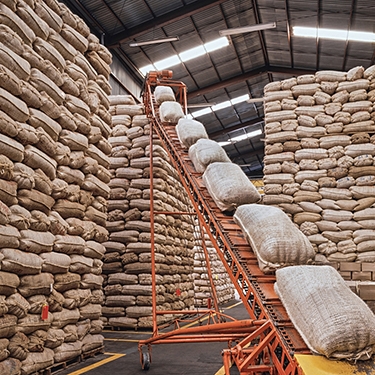
On behalf of a Canadian oilseed processer WPI's team provided market analysis, econometric modeling and financial due diligence in support of a $24 million-dollar investment in a Ukrainian crush plant. Consistent with WPI's findings, local production to supply the plant and the facility's output have expanded exponentially since the investment. WPI has conducted parallel work on behalf of U.S., South American and European clients, both private and public, in the agri-food space.