Key Takeaways:
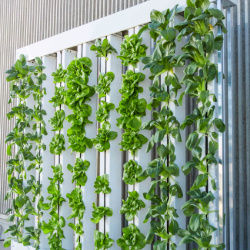
Vertical farming offers year-round production, reduced water use, and the ability to grow fresh produce closer to consumers. High electricity consumption for lighting and climate control has proven to be the industry's biggest obstacle to profitability. Large upfront investments and reliance on venture capital left many startups vulnerable when funding conditions tightened. Several high-profile bankruptcies have highlighted the difficulty of achieving sustainable profits in fully indoor farming operations. Greenhouse-based models that utilize natural sunlight have generally achieved greater commercial success by reducing energy costs. Vertical farming is likely to remain a niche producer of high-value specialty crops rather...



 What You Need to Know Today: The G7 agreed to release 100 million barrels of crude oil and fuel reserves over four months, with a substantial diesel release front-loaded into the first 20 days. The announcement initially pushed crude oil lower on Friday, although it later recovered a portion o...

 In a recent social media post, R-CALF unveiled its latest cattle market plan: “contracts that bind producers before establishing a base price, then tie that price to future negotiated cash transactions, should be prohibited.” That proposal aligns with recent legislation by Represent...
 Key Takeaways: The recent pearl-clutching from parts of the beef industry regarding the loss of the daily Kansas fed cattle negotiated trade pricing report is overwrought and ignores the fact that the direction was readily apparent. The shift away from negotiated trade has been well docu...