
USDA Secretary Tom Vilsack is in Nashville to address the American Farm Bureau Federation (AFBF). Back in Washington, USDA Director of Communications Matt Paul today said at the time of this report, "The secretary has been made aware that the president would like him to continue to serve." The official announcement is scheduled for later today. Secretary Vilsack would be the first USDA Secretary to serve a second term since Orville Freeman under Presidents John Kennedy and Lyndon Johnson.Meanwhile, AFBF President Bob Stallman struck what can be described as a uniquely positive note on the status of farm policy. While many groups have expressed their dissatisfaction with the nine-month extension of the 2008 Farm Bill, Stallman used his add...


 Key Takeaways: Brazil confirmed a Newcastle disease outbreak at a commercial turkey farm in Santa Catarina on 18 October, raising concerns about potential disruptions to poultry exports despite the outbreak being confined to a single facility thus far. Mexico and Malaysia have imposed nationwi...


 Yesterday, Alberta held a referendum on whether to begin the process toward independence from Canada. With more than one million votes counted as of early Tuesday morning, around 77 percent supported remaining in Canada, and 23 percent voted to start the process of separation, according to unof...


 What You Need to Know Today: Harvest pressure in the U.S. sent corn and soybeans lower as supplies increased and there were signs USDA’s upward revisions to yields in the October WASDE could be close to right. The conflict between Russia and Ukraine escalated over the weekend, with Ukrai...

From WPI Consulting
Forecasting developments in production agriculture
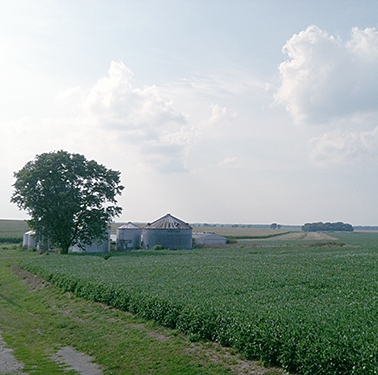
On behalf of a private U.S. agricultural technology provider, WPI’s team generated an econometric model to forecast the movement of concentrated corn production north and west from the traditional U.S. Corn Belt. WPI’s model has subsequently provided quantitative support to a multi-million-dollar investment into short-season corn variety development. WPI’s methodology included a series of interviews with regional grain elevators and seed consultants. Emphasizing outreach and communication with stakeholders who possess intimate sectoral knowledge – on-the-ground insights – is a regular component of WPI’s methodologies, made possible by WPI’s ever-growing network of industry contacts.