
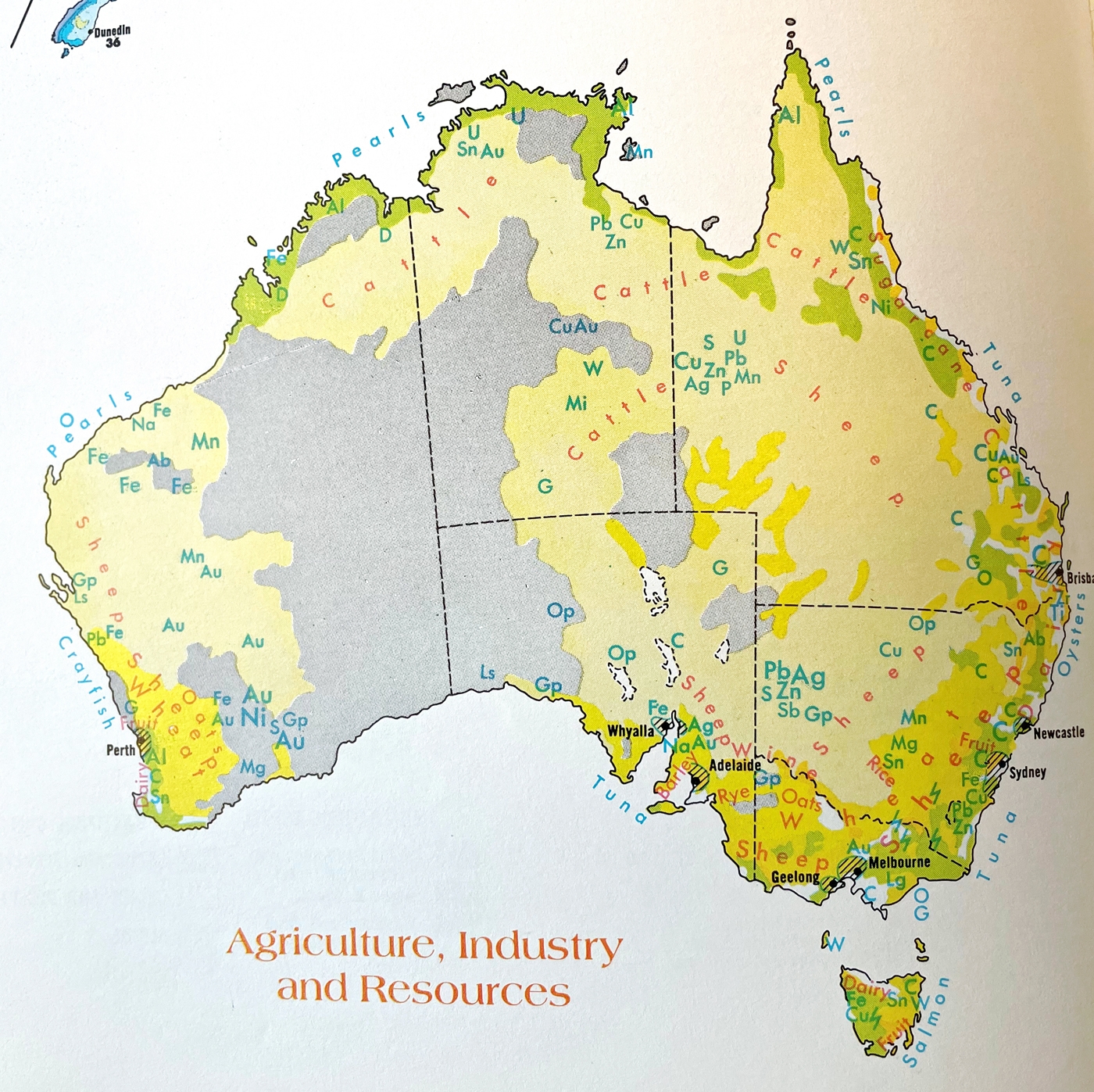
The FAS attache in Canberra expects Australia’s wheat production to fall by 25 percent in 2023/24. This follows three years of record sized crops. Lower prices and drier conditions are the cause. Of the six major wheat exporters, Australia has the highest variation in its production and exports. This is thought to be caused in part by susceptibility to El Niño weather events. The outsized rains of higher world prices of the past couple of years encouraged Australian farmers to plant almost a third more area to wheat in 2022/23 than they did in 2019/20. This year, Russia supplied nearly 27 percent of the wheat traded by the world’s top exporters. However, a caution to importers is that Russia has the second highest volati...



 What You Need to Know Today: As was widely expected, the Federal Reserve raised interest rates by 25 basis points to a target range of 3.75–4.00 percent, its first rate increase since 2023, as policymakers respond to persistent inflation pressures. The Fed also signaled that additi...
 Russian Grain Markets: 7–11 September 2026 During the first week of September, the Russian grain market remained volatile but predominantly bearish. Among the few commodities that continued to show a bullish trend was rye, which is in short supply this year and has few offers available. I...

From WPI Consulting
Communicating importance of value-added products

Facing increasing pressure to quantify the value of export promotion efforts to investors, a U.S. industry organization retained WPI to develop a quantitative model that better communicated the importance of exports. The resulting model concluded that value-added meat exports contributed $0.45 cents per bushel to the price of corn, increasing support for that sector’s financial support of WPI’s client. In addition to serving the red meat industry with this type of analysis, WPI has generated similar deliverables for the U.S. soybean and poultry/egg industries.