
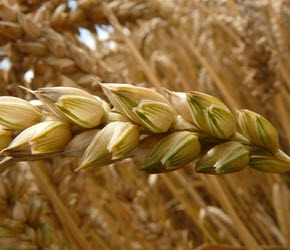
The U.S. has six major classes of wheat, with Hard Red Winter (HRW) comprising more than 40 percent of the total. Analysts have noted that the 2022 HRW crop is the smallest since 1957. Drought has certainly impacted harvested acres and yield, but overall U.S. wheat production has been on a steady decline for many years. It has been averaging almost a 1 percent decline per year. The U.S. is the world’s fifth overall largest producer of wheat, but when looked at by its individual classes, the output is smaller than many other countries’ total output. China and India produce a lot more wheat but are smaller exporters. While the U.S. exports almost half of its far smaller volume of wheat produced, Europe consumes internally 7...



From WPI Consulting
Communicating importance of value-added products

Facing increasing pressure to quantify the value of export promotion efforts to investors, a U.S. industry organization retained WPI to develop a quantitative model that better communicated the importance of exports. The resulting model concluded that value-added meat exports contributed $0.45 cents per bushel to the price of corn, increasing support for that sector’s financial support of WPI’s client. In addition to serving the red meat industry with this type of analysis, WPI has generated similar deliverables for the U.S. soybean and poultry/egg industries.