


Early 2015 world wheat production estimates had been hovering near the record levels of the previous two years. Now a number of recent issues have pushed wheat prices sharply higher.Corn and soybeans seem to receive most of the market press and chatter, while the wheat market is an afterthought to most analysts. There are many reasons why. First and foremost, corn is corn and soybeans are soybeans. However, there are six distinctly different classes of wheat in the U.S. that have different grading factors and different end uses. In addition, there are non-grade elements that can have a profound effect on wheat values. These include protein, falling numbers, etc. There are also three wheat futures markets in the U.S. alone: Chicago (soft red...


 What You Need to Know Today: Chinese purchases of U.S. soybeans continued to accelerate, with USDA reporting another 558 KMT sold to China and 236 KMT to unknown destinations. Combined with sales announced Wednesday and Thursday, the latest purchases bring the three-day total to approximately...

 Key Takeaways: With the fall calf run now upon us, producers are finally getting a glimpse of what their realized profits will be for 2026. Some producers may have already obtained a strong estimate of 2026 revenues, especially if calves were forward sold in, for example, the mid-summer...
 As fall begins, wild migratory birds are starting their seasonal migration. That has the industry and government officials worried about the potential spread, again, of highly pathogenic avian influenza (HPAI). Some members of Congress have called for the United States to be prepared for a pote...

From WPI Consulting
Infrastructure investment due diligence
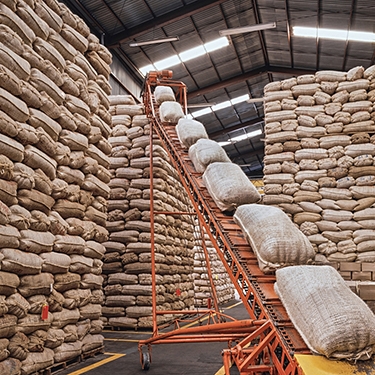
On behalf of a Canadian oilseed processer WPI's team provided market analysis, econometric modeling and financial due diligence in support of a $24 million-dollar investment in a Ukrainian crush plant. Consistent with WPI's findings, local production to supply the plant and the facility's output have expanded exponentially since the investment. WPI has conducted parallel work on behalf of U.S., South American and European clients, both private and public, in the agri-food space.