
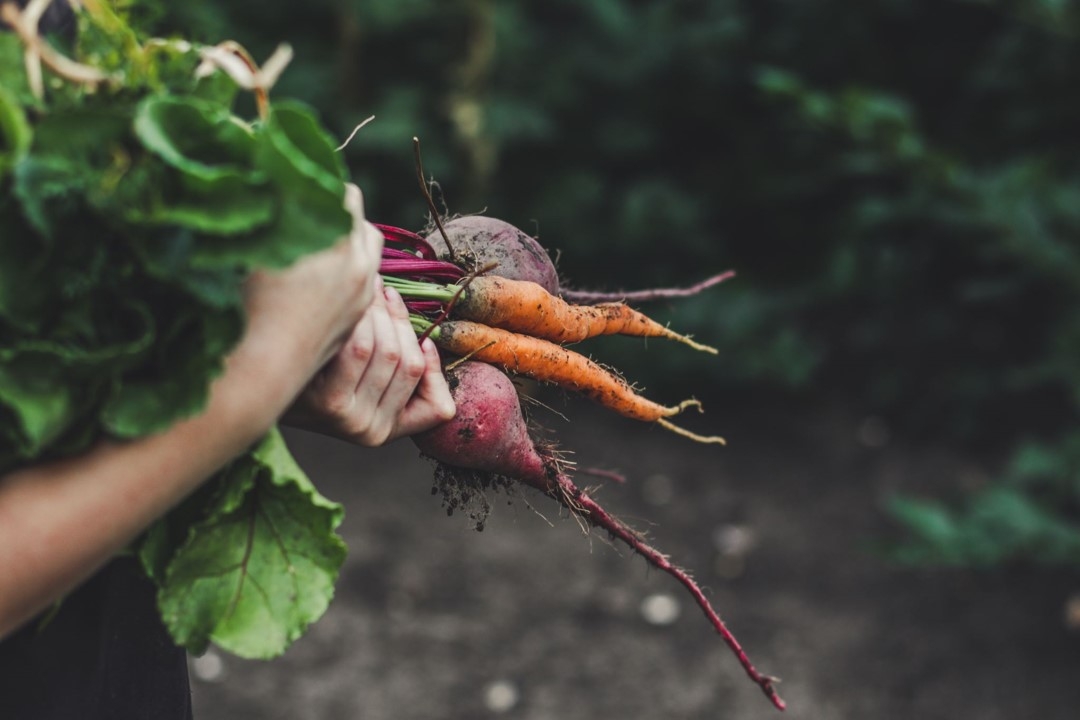
As noted yesterday, USDA estimates that the food category incurring the most inflation this year in the U.S. will be fresh vegetables. Part of the problem is the disconnect between encouraging consumption of this food group, and domestic production. About 40 percent of fresh vegetables are imported and they have experienced steady growth. The strong U.S. dollar may actually understate the volume growth of imported fresh vegetables. By contrast, domestic production of fresh vegetables is erratic. COVID adversely impacted labor and the supply chain but 2023 saw a bounce back in actual production. The House Agriculture Committee just completed markup of a new farm bill, which includes a title (Horticulture, Marketing and Regulatory Reform) co...



 Key Takeaways: Demand and capacity decide where milk growth lands. Italian cheese is up 4.2 percent in 2026, and milk output is growing fastest in Kansas, South Dakota and Texas, where the new plants are located. Price spreads decide where the marginal milk goes. The Class IV premium over Clas...


 Markets are caught between reasons to keep selling and reasons to take another look. Fund liquidation and renewed peace talks are pressuring grains, while fresh export business and some diesel relief offer encouragement. Corn recovered nearly 10 cents from its low to finish higher, while soybea...

 Key Takeaways: President Trump announced $8 billion in additional agricultural assistance through the Harvest Fuel Relief Program, as USDA projects farm fuel and oil expenses will increase 28.8 percent in 2026. The package follows $12 billion in earlier relief, while government farm payments w...

From WPI Consulting
Weighing in on strategic realignment

WPI’s team was retained by the governing board of a U.S. industry organization to review a decision, reached by vote, to invest significant assets into the development and management of an export trading company. WPI’s team conducted a formal review of this decision and concluded that the current level of market saturation would limit the benefits of the investment. Based on WPI’s analysis and recommended actions, the board subsequently reversed its decision and undertook a strategic planning effort to identify more impactful investments. On behalf of numerous clients, WPI has not only assisted in identifying strategic paths but also advised their implementation.