Key Takeaways:
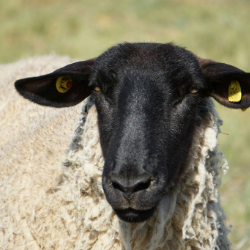
Imports supply 70–75 percent of U.S. lamb disappearance, with Australia and New Zealand accounting for nearly all imported volume. The deficit is structural, not cyclical: domestic production cannot scale quickly enough to displace imports or reset the market’s reference price. Freight and exchange rates function as pricing variables because imported lamb travels long distances and is priced across AUD, NZD, and USD currency relationships. Carcass consistency reinforces import dependence: U.S. lamb retains important quality advantages, but rising domestic variability weakens buyer confidence in uniform supply. The U.S. lamb market is short domestic production and long freight, FX, and Oceania climate risk.
The U...



 Markets are caught between reasons to keep selling and reasons to take another look. Fund liquidation and renewed peace talks are pressuring grains, while fresh export business and some diesel relief offer encouragement. Corn recovered nearly 10 cents from its low to finish higher, while soybea...

 Key Takeaways: President Trump announced $8 billion in additional agricultural assistance through the Harvest Fuel Relief Program, as USDA projects farm fuel and oil expenses will increase 28.8 percent in 2026. The package follows $12 billion in earlier relief, while government farm payments w...

 Key Takeaways: A student group from the University of Chicago is protesting to bring back onion futures trading. Trading in onion futures was banned in 1958 following a spectacular bout of market manipulation that resulted in a corner of the physical market. The ban on onion futures led t...