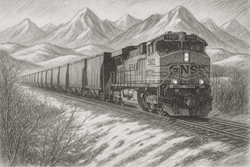
Dry bulk freight rates cratered this week as China started its Golden Week holiday, which blanketed markets with calm and quiet. Pacific markets were especially dull and weaker, especially amid doubts about how China’s grain demand will play out after the holiday. China still has not booked U.S. grain cargoes for October-December and appears to be waiting for the Brazilian soybean harvest to arrive. As WPI wrote recently, China likely cannot avoid U.S. soybeans fully for the next four months, but will be able to purchase only minimal volumes. Capesize markets started their decline on the last day of September and have since plunge lower following rumors of a ban from China on BHP iron ore purchases, and possibly FMG as well. The...



 What You Need to Know Today: Headlines emerging from negotiations between President Trump and President Xi were relatively limited, with a more substantive announcement expected Monday. U.S. Trade Representative Jamieson Greer indicated that additional details related to agricultural trade cou...

 The heat of summer is now transitioning into more moderate temperatures, and the next two months have the busiest marketing periods of the year for replacement cattle. Weather always influences the replacement cattle market, and the primary grain belt in the Southern Plains, where many cattle a...


 Key Takeaways: Diesel accounts for about 64 percent of U.S. farm fuel spending. For farmers, the pressing question is what a higher price adds to each field operation. Iowa farm diesel averaged $5.50/gallon in September, compared with the $2.89/gallon Iowa State assumed for its February machin...

From WPI Consulting
Accountability and a comprehensive approach to export programming

WPI’s team helped construct a strategic approach to develop, implement, and track promotional activities in 8 key regions across the globe for an agricultural export association. With continued progress measurement and strategic advisory services from WPI, the association has seen its ROI from investments in promotional programming increase by 44 percent over the past 5 years. Not only does this type of holistic approach to organizational strategy provide measurable results to track and analyze, it fosters top-down and bottom-up organizational accountability.