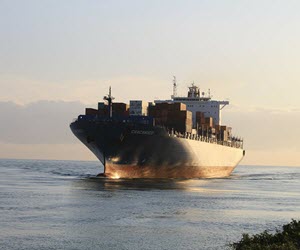
Dry bulk markets were mixed and relatively quiet this week. The Capesize sector traded steady on flagging spot demand despite an increase in Chinese iron ore demand and rising Dalian steel futures. The Panamax sector was the upside leader for the week, primarily due to Pacific demand. Freight markets need more physical demand to support rates, and that demand is being actively undermined by trade wars, tariffs, and port fees.
Capesize markets are seeing enquiries from miners for early November dates with Aussie demand remaining quiet but offset with larger interest from other Pacific countries. For C3 rates from Brazil and/or West Africa, the market’s attention is now on late November or early December dates. Vessel availabili...



 What You Need to Know Today: Headlines emerging from negotiations between President Trump and President Xi were relatively limited, with a more substantive announcement expected Monday. U.S. Trade Representative Jamieson Greer indicated that additional details related to agricultural trade cou...

 The heat of summer is now transitioning into more moderate temperatures, and the next two months have the busiest marketing periods of the year for replacement cattle. Weather always influences the replacement cattle market, and the primary grain belt in the Southern Plains, where many cattle a...


 Key Takeaways: Diesel accounts for about 64 percent of U.S. farm fuel spending. For farmers, the pressing question is what a higher price adds to each field operation. Iowa farm diesel averaged $5.50/gallon in September, compared with the $2.89/gallon Iowa State assumed for its February machin...