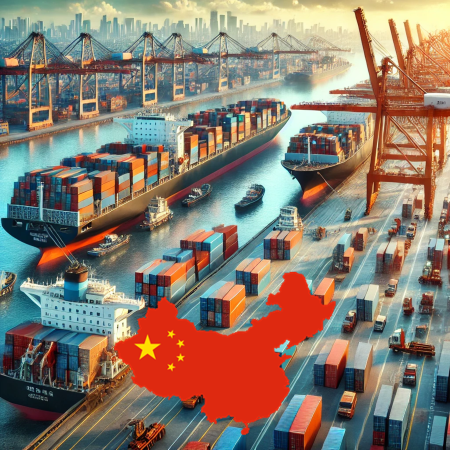
As WPI readers will be fully aware, there has recently been a flood of discussion about tariffs facing U.S. agricultural exports and imports. To date, WPI has been dissatisfied with the presentation of the timeline of these tariffs and evaluation of the full duties U.S. exports face entering foreign markets. Much of the popular press has been focused on citing the most recent tariff change without disclosing what rates were at various points recently or their cumulative total. Too, the media have also taken the route of simply highlighting value of exports subject to tariffs, which is interesting if one wants to know the total value at risk from the trade war. These statistics are not, however, useful in any way for calculating the total co...



 Beef packer margins deteriorated to $156.75/head last week, down $46.05 from the prior week as fed cattle prices strengthened while gains in the Choice cutout were comparatively modest. The Choice cutout increased...


 What You Need to Know Today: Oil prices moved higher early Monday before giving back some of their gains after drone attacks forced the shutdown of Saudi Arabia’s East-West Pipeline, a critical route for bypassing constrained shipping through the Strait of Hormuz. The disruption puts rou...
 Key Takeaways: Expected returns to production for U.S. cow-calf producers have shifted lower from prior forecasts as cattle values fall and feed costs rise. Producer revenues are forecast 1 percent below our August outlook and will be 1.2 percent below 2025 levels. Feed costs have lessen...

From WPI Consulting
Forecasting developments in production agriculture
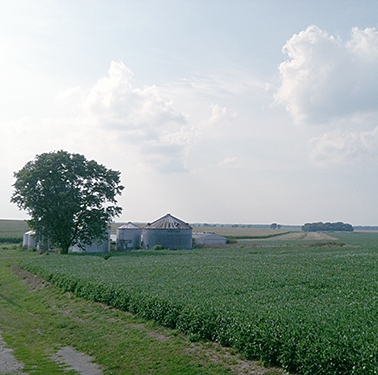
On behalf of a private U.S. agricultural technology provider, WPI’s team generated an econometric model to forecast the movement of concentrated corn production north and west from the traditional U.S. Corn Belt. WPI’s model has subsequently provided quantitative support to a multi-million-dollar investment into short-season corn variety development. WPI’s methodology included a series of interviews with regional grain elevators and seed consultants. Emphasizing outreach and communication with stakeholders who possess intimate sectoral knowledge – on-the-ground insights – is a regular component of WPI’s methodologies, made possible by WPI’s ever-growing network of industry contacts.