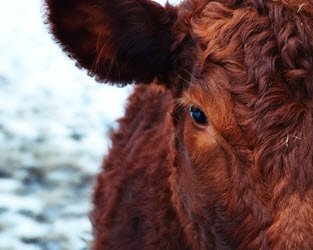
A five-year-old cow in South Carolina was discovered to have a case of atypical BSE late last week. USDA’s Animal Plant Health Inspection Service (APHIS) National Veterinary Services Laboratory confirmed the cow was positive for atypical L-type BSE. BSE can manifest in two forms - classical and atypical. The incubation period for classical BSE from prion-infected feed, from time of infection, thought to occur early in life, until the onset of clinical signs averages three to six years. Atypical BSE, on the other hand, occurs spontaneously at very low levels in all cattle populations, particularly in older cattle, and does not appear to be associated with contaminated feed. Over the past 20 years, this is the seventh case of BSE...



From WPI Consulting
Forecasting developments in production agriculture
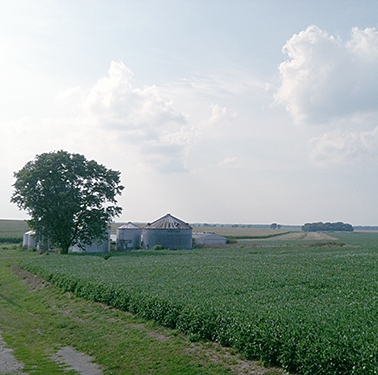
On behalf of a private U.S. agricultural technology provider, WPI’s team generated an econometric model to forecast the movement of concentrated corn production north and west from the traditional U.S. Corn Belt. WPI’s model has subsequently provided quantitative support to a multi-million-dollar investment into short-season corn variety development. WPI’s methodology included a series of interviews with regional grain elevators and seed consultants. Emphasizing outreach and communication with stakeholders who possess intimate sectoral knowledge – on-the-ground insights – is a regular component of WPI’s methodologies, made possible by WPI’s ever-growing network of industry contacts.