


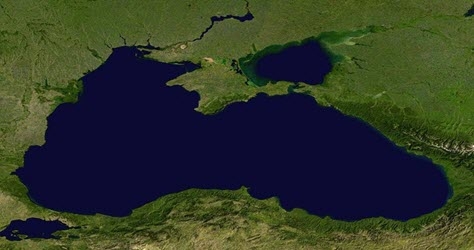
Russian Grains Markets: 30 May – 3 June 2022 Russian markets remained bearish, however in certain geographical areas prices were stagnant where sellers are playing a wait and see game. Interestingly, in Siberia wheat depreciated dramatically. In the export market, better margins are attractive and recent tenders show that Russia is winning and winning with quite a high price. Specifically, GASC tender bought a new crop at $480/MT C&F. However, sellers are taking a risk as they have no idea what the export duty will be at the moment of export. In addition, local currency is quite strong which can hit the grain trader with a currency exchange fluctuation. Part of the margin can be in the difference between the ruble and the dollar...



From WPI Consulting
Forecasting developments in production agriculture

On behalf of a private U.S. agricultural technology provider, WPI’s team generated an econometric model to forecast the movement of concentrated corn production north and west from the traditional U.S. Corn Belt. WPI’s model has subsequently provided quantitative support to a multi-million-dollar investment into short-season corn variety development. WPI’s methodology included a series of interviews with regional grain elevators and seed consultants. Emphasizing outreach and communication with stakeholders who possess intimate sectoral knowledge – on-the-ground insights – is a regular component of WPI’s methodologies, made possible by WPI’s ever-growing network of industry contacts.