


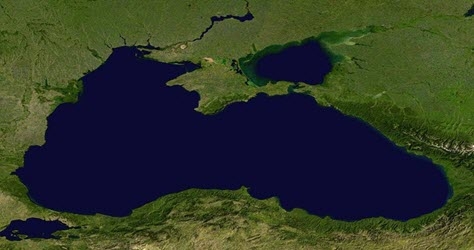
Russian Grain Markets: 15–19 July 2024 Russia started harvesting several weeks earlier this season due to hot weather conditions and early maturity of early grains. As of 12 July, Russian farmers harvested 32 MMT of grains from 8.4 Mha versus only 12.2 MMT from 3.3 Mha a year ago. The average wheat yield is 3.94 MT/ha versus 3.83 MT/ha. This week’s weather is promising to be hot and dry in the wheat belt. Rainfall would help Russian sunflower seeds and corn, especially in the Volga. So far, analysts are predicting a decrease in yields due to the hot dry weather. The Russian government sees the 2024 grain crops at 132 MMT, of which 86 MMT is wheat. Oilseeds production is forecast at 28 MMT. Russian analysts also believe that gr...


 What You Need to Know Today: The November Cattle on Feed Report, which details October placements and marketings alongside 1 November on-feed inventories, was notably bullish, with placements falling below even the lowest analyst estimate. President Trump’s meetings with Asian leaders su...

 USDA’s 1 November cattle on feed report was released today, with cattle in feedlots with a capacity of 1,000 head or more totaling 11.6 million head, 99 percent of last year. Placements dropped in October to their lowest total for the month since records began in 1996, setting a record l...

 The monthly consumer price index (CPI) can be hard to interpret on its own, especially when it comes to wages. Looking at prices without wages, or wages without prices, shows only part of the story. You also need to consider your own industry, because economy-wide wage figures say little about...

From WPI Consulting
Forecasting developments in production agriculture
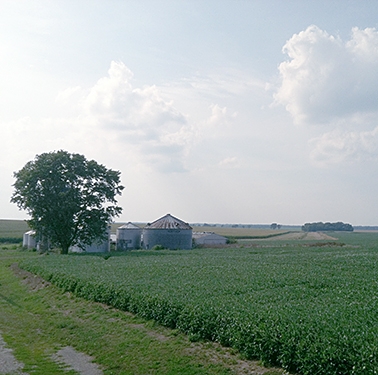
On behalf of a private U.S. agricultural technology provider, WPI’s team generated an econometric model to forecast the movement of concentrated corn production north and west from the traditional U.S. Corn Belt. WPI’s model has subsequently provided quantitative support to a multi-million-dollar investment into short-season corn variety development. WPI’s methodology included a series of interviews with regional grain elevators and seed consultants. Emphasizing outreach and communication with stakeholders who possess intimate sectoral knowledge – on-the-ground insights – is a regular component of WPI’s methodologies, made possible by WPI’s ever-growing network of industry contacts.