Key Takeaways:
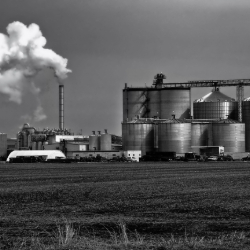
The Energy Independence and Security Act of 2007 set a goal of producing 16 billion gallons of cellulosic ethanol annually by 2022, but actual production reached only a small fraction of that target. High production costs, feedstock collection challenges, and technological hurdles prevented cellulosic ethanol from becoming commercially competitive at scale. Falling oil prices following the U.S. shale boom reduced the economic incentive for investors to fund expensive cellulosic ethanol projects. The bankruptcies and failures of major companies such as Range Fuels, KiOR, and Abengoa undermined confidence in the industry's commercial viability and caused investment to shift toward other renewable fuel technologies. Brazil's Ra...


 What You Need to Know Today: New World screwworm is back in the headlines after new cases were found in a hunter-harvested elk in Texas and a beef cow in New Mexico. The detection in wildlife could further complicate containment efforts, as implementing effective biosecurity measures is consid...

 Cattle on Feed Expectations USDA’s monthly Cattle on Feed report that will show cattle inventory statistics as of 1 October will be released tomorrow, 23 October. Analysts’ pre-report consensus estimates are for the total inventory on feed to be 100.3 percent of last year, which imp...

 Key Takeaways: Dry bulk markets remain mixed with Capesize rates turning around from their recent weakness and posting solid gains on improved Chinese demand. Panamax vessels, on the other hand, saw rates decline amid greater tonnage availability in the South Atlantic and falling U.S. Gu...