
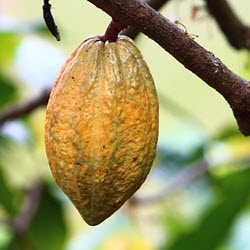
Two weeks ago, WPI published an article looking at the supply-side factors in the cocoa market and what has been driving the massive price rally. With this article, we will look at the consumption and demand-side factors that are likely to influence the market and pricing for LH 2024 and into 2025. Note that the political landscape is set to change dramatically in 2025 as the EU’s Deforestation Regulation is scheduled to come into effect. This monstrous legislation will create a massive burden on the cocoa industry and has the potential to upend global cocoa trade from multiple angles. Primer on Cocoa Demand and Use Obviously, cocoa’s primary use is in the food industry to make products that are otherwise blah into...


 Key Takeaways: A student group from the University of Chicago is protesting to bring back onion futures trading. Trading in onion futures was banned in 1958 following a spectacular bout of market manipulation that resulted in a corner of the physical market. The ban on onion futures led t...
 WPI Grain Prices and Freight Rate App Note: you can also visit the app directly by clicking here. Supplemental Information The section below offers a concise view of the options available in the current version of the WPI FOB Price and Freight Rate app, along with a short “How To”...


 Yesterday, Alberta held a referendum on whether to begin the process toward independence from Canada. With more than one million votes counted as of early Tuesday morning, around 77 percent supported remaining in Canada, and 23 percent voted to start the process of separation, according to unof...

From WPI Consulting
Accountability and a comprehensive approach to export programming

WPI’s team helped construct a strategic approach to develop, implement, and track promotional activities in 8 key regions across the globe for an agricultural export association. With continued progress measurement and strategic advisory services from WPI, the association has seen its ROI from investments in promotional programming increase by 44 percent over the past 5 years. Not only does this type of holistic approach to organizational strategy provide measurable results to track and analyze, it fosters top-down and bottom-up organizational accountability.