
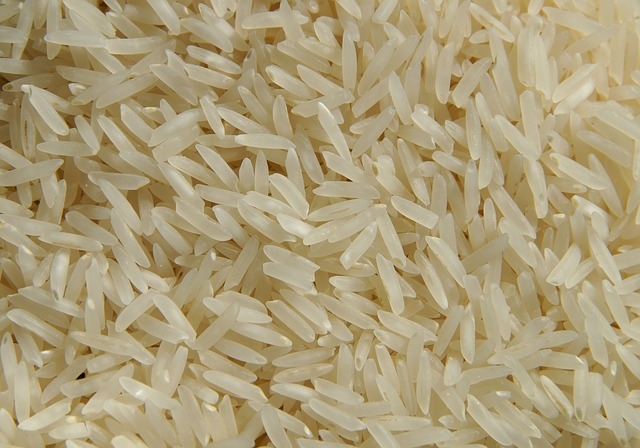
New Delhi is always one of the first capitals to raise the issue of food insecurity in international fora. It concurrently argues that agricultural subsidies by rich countries worsen global food insecurity while its own policies and subsidies are designed to lessen the problem. But rich countries generally do not ban food exports while it is a regular part of India’s tool box. Panic buying was reported by various countries after India, the source of half the world’s traded rice supplies, announced an embargo on exports. Global rice carryover stocks are at their lowest level in six years. Exacerbating the situation is the Thai government’s decision to ask farmers to plant just one crop of rice instead of the usual tw...


 Key Takeaways: A student group from the University of Chicago is protesting to bring back onion futures trading. Trading in onion futures was banned in 1958 following a spectacular bout of market manipulation that resulted in a corner of the physical market. The ban on onion futures led t...

 Yesterday, Alberta held a referendum on whether to begin the process toward independence from Canada. With more than one million votes counted as of early Tuesday morning, around 77 percent supported remaining in Canada, and 23 percent voted to start the process of separation, according to unof...

From WPI Consulting
Communicating importance of value-added products
Facing increasing pressure to quantify the value of export promotion efforts to investors, a U.S. industry organization retained WPI to develop a quantitative model that better communicated the importance of exports. The resulting model concluded that value-added meat exports contributed $0.45 cents per bushel to the price of corn, increasing support for that sector’s financial support of WPI’s client. In addition to serving the red meat industry with this type of analysis, WPI has generated similar deliverables for the U.S. soybean and poultry/egg industries.