
The Environmental Working Group confuses exposure with actual risk; “Love” is no longer a granola ingredient; Australia believes it can negotiation better trade deals on its own. Fake Standards The Environmental Working Group (EWG) issued a study charging that high nitrate levels in rural drinking water is “associated with cancer in some studies.” Agriculture contributes to nitrate levels but those identified by the EWG are only half the level approved by EPA. The argument is similar to that made by glyphosate opponents in Europe whereby mere exposure becomes the standard instead of actual risk.Separately, Peter Cleppe of the think tank Open Europe points out that one prominent scientist on the International Agency for Research on Cancer...



 What You Need to Know Today: U.S. Treasury Secretary Bessent said the U.S. and Iran could “today or tomorrow” reach a deal to reopen the Strait of Hormuz. Despite the Secretary’s claims, an attack on a vessel off the Omani coast suggests plenty of risk remains in forming a lo...
 Beef packer margins slipped modestly for the first time in four weeks, declining $15/head to -$78 as fed cattle prices firmed while boxed beef values continued to weaken. The Choice cutout eased another $2.63/cwt to $364.69, while dressed cattle prices fell only $2.76/cwt to $362.25/cwt, limiti...
 Key Takeaways: Offal represents an important segment of global meat trade by adding value to underutilized portions of livestock carcasses and improving overall resource efficiency. Strong export demand for products such as pork variety meats and chicken feet allows processors to maximize carc...

Illuminating the value of technical research
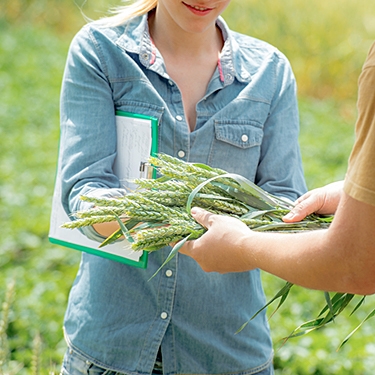
On behalf of a commodity producer organization, WPI evaluated the outputs from a project that featured a $5 million investment into technical research over multiple years. WPI’s team captured the results of this extensive effort and synthesized them for presentation to the organization’s governing board; among the findings uncovered and presented for the first time was the development of genomic traits proven, via rigorous testing, to provide crop yield advantages of 50 percent or more to U.S. farmers in times of drought. Capturing measurable results from long-term efforts can be challenging. Educating clients on the dynamics of success measurement when quantifiable results are not readily available requires deep client-consultant collaboration and an ability to consider both near- and long-term client aspirations with market/policy dynamics – attributes that WPI brings to every consulting engagement.