
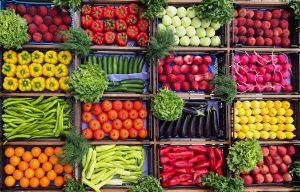
Some members of the U.S. Congress want more support going to fruits and vegetables. They note that the overwhelming majority of farm bill income support and risk management subsidies go to grains and oilseeds. California dominates U.S. production of fruits and vegetables, accounting for 70 percent of the total, with other Western states like Washington, Oregon and Arizona also specializing in these crops. More could be grown in the Midwest. U.S. production of vegetables is declining (see below). Production of non-citrus fruits increased in 2021 but fell again in 2022. Meanwhile, imports of fruits and vegetables are increasing, mostly from Mexico and the north and western parts of South America. Imports from Mexico are up 12.5 percent over...



 What You Need to Know Today: New World screwworm is back in the headlines after new cases were found in a hunter-harvested elk in Texas and a beef cow in New Mexico. The detection in wildlife could further complicate containment efforts, as implementing effective biosecurity measures is consid...

 Cattle on Feed Expectations USDA’s monthly Cattle on Feed report that will show cattle inventory statistics as of 1 October will be released tomorrow, 23 October. Analysts’ pre-report consensus estimates are for the total inventory on feed to be 100.3 percent of last year, which imp...

 Key Takeaways: Dry bulk markets remain mixed with Capesize rates turning around from their recent weakness and posting solid gains on improved Chinese demand. Panamax vessels, on the other hand, saw rates decline amid greater tonnage availability in the South Atlantic and falling U.S. Gu...

From WPI Consulting
Communicating importance of value-added products

Facing increasing pressure to quantify the value of export promotion efforts to investors, a U.S. industry organization retained WPI to develop a quantitative model that better communicated the importance of exports. The resulting model concluded that value-added meat exports contributed $0.45 cents per bushel to the price of corn, increasing support for that sector’s financial support of WPI’s client. In addition to serving the red meat industry with this type of analysis, WPI has generated similar deliverables for the U.S. soybean and poultry/egg industries.