
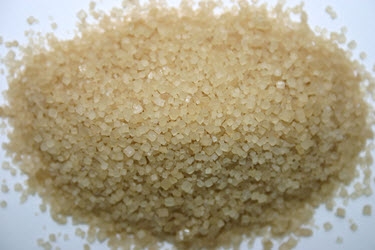
In the past three years, India has switched from being the number four exporter of sugar in the world to number two. Over the past dozen years, its domestic production has grown by 56 percent, but its exports have exploded by 229 percent. It turns out there is a reason. In a WTO challenge by Australia, Brazil and Guatemala, it turns out that New Delhi has exceeded its bindings on how much domestic support it can provide to sugar growers. Almost worse, it failed in its obligation to notify the WTO of its subsidies. India’s actions breed distrust in at least two ways: 1) the country had already been caught exceeding its subsidy bindings on other agricultural products and its failure of notification undermines the WTO; and 2) it p...


 Key Takeaways: A student group from the University of Chicago is protesting to bring back onion futures trading. Trading in onion futures was banned in 1958 following a spectacular bout of market manipulation that resulted in a corner of the physical market. The ban on onion futures led t...

From WPI Consulting
Forecasting developments in production agriculture
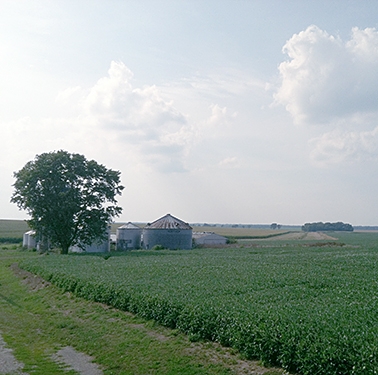
On behalf of a private U.S. agricultural technology provider, WPI’s team generated an econometric model to forecast the movement of concentrated corn production north and west from the traditional U.S. Corn Belt. WPI’s model has subsequently provided quantitative support to a multi-million-dollar investment into short-season corn variety development. WPI’s methodology included a series of interviews with regional grain elevators and seed consultants. Emphasizing outreach and communication with stakeholders who possess intimate sectoral knowledge – on-the-ground insights – is a regular component of WPI’s methodologies, made possible by WPI’s ever-growing network of industry contacts.