The flood of easy money from the U.S. Federal Reserve intended to prop up the economy in the face of COVID-19 should be inflationary. The Fed has tipped its hand by expressing a desire for inflation above its previous 2 percent cap. Food and energy are typically treated separately than core inflation since they are inherently more volatile. Nonetheless, inflation should be good for commodities since they concurrently store value. Commodity futures have thus far been bearish with the inflation rate so far this year for unprocessed foodstuffs and feedstuffs averaging -6.7 percent. By contrast, the 20-year average is 3.2 percent for this category. The COVID-related pantry stockpiling drove the cost of finished consumer foods up 2.3 perc...



 What You Need to Know Today: Commodities were mostly lower across the board today after yesterday’s Federal Reserve meeting hinted at a potential interest rate hike later in 2026. The dollar index reached its highest level in over a year, and a strong dollar makes U.S. agricultural expor...
 Tomorrow is the Juneteenth federal holiday, and the USDA, along with the rest of the federal government and the CME, will be closed, so the monthly Cattle on Feed report was released a day early. The total number of cattle on feed in feedlots with 1,000 head or more capacity on 1 June amounted...

From WPI Consulting
Forecasting developments in production agriculture
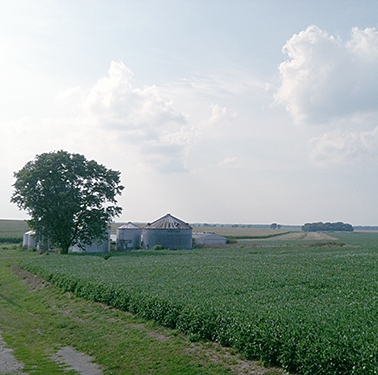
On behalf of a private U.S. agricultural technology provider, WPI’s team generated an econometric model to forecast the movement of concentrated corn production north and west from the traditional U.S. Corn Belt. WPI’s model has subsequently provided quantitative support to a multi-million-dollar investment into short-season corn variety development. WPI’s methodology included a series of interviews with regional grain elevators and seed consultants. Emphasizing outreach and communication with stakeholders who possess intimate sectoral knowledge – on-the-ground insights – is a regular component of WPI’s methodologies, made possible by WPI’s ever-growing network of industry contacts.