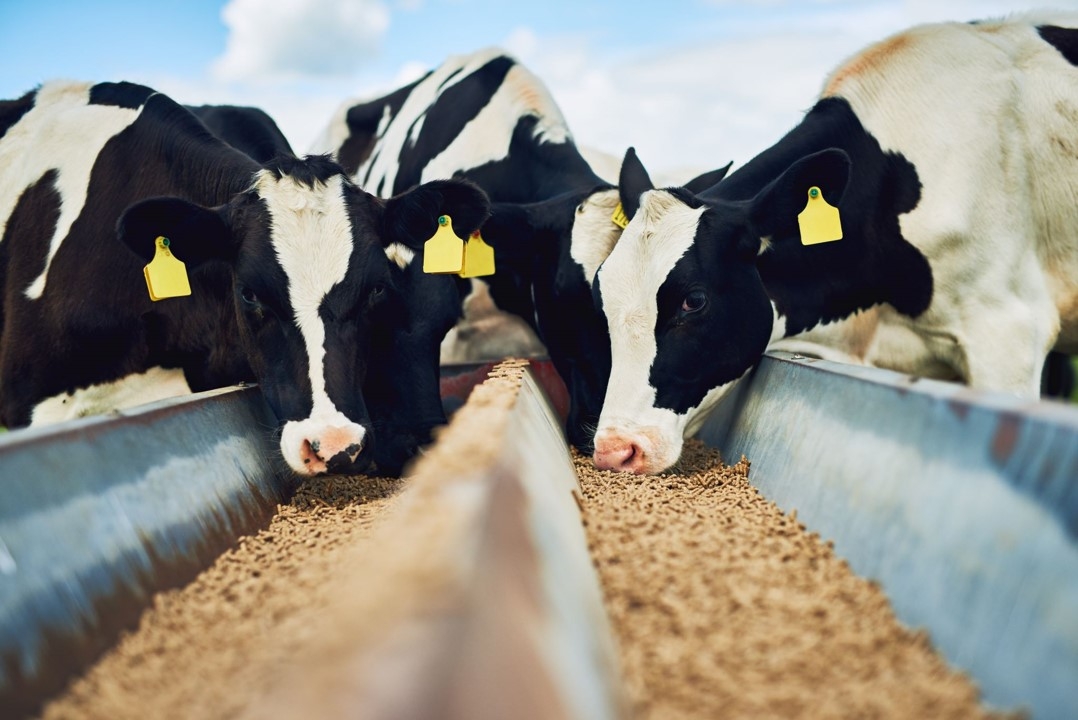
Tomorrow USDA will release the monthly Cattle on Feed report. Analysts’ pre-report estimates peg the total number of cattle on feed as of 1 October at 99 percent of a year ago. The range of estimates was between 98 and 100 percent. The implied inventory of cattle on feed would be 11.6 million head.
Placements in September are forecast at 101 percent of last year. The range of estimates was wide, from 98 percent to 104 percent and showed differing opinions – i.e., both an increase and a decrease over October 2020. If placements are up, that would be the second consecutive month of increased placements year over year, even after the July cattle inventory report (which we covered here) showed the total number of calv...



 What You Need to Know Today: Brazilian President Luiz Inácio Lula da Silva secured reelection on Sunday, defeating right-wing Senator Flávio Bolsonaro despite trailing in the first round of voting. The surprise victory triggered a sharp selloff in Brazilian financial market...

 The 2026 midterm elections are a week from tomorrow, but early voting has been taking place for weeks. At stake is control of Congress, including the House of Representatives, where all 435 seats are contested, and the Senate, where approximately one-third of the seats are up for election. Farm...
 Key Takeaways: Total U.S. crop acres (excluding hay) are forecast to expand fractionally this year due to greater oilseed crop and winter wheat plantings. One of the key drivers of this year’s crop outlook is input costs, and crops with a lower cost profile have an advantage in producers...