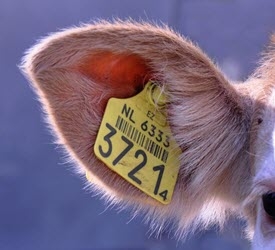
High cattle and beef prices are supporting imports. First, cattle imports through July are up 22.6 percent compared to last year. Imports from Canada are up 18.1 percent and imports from Mexico have increased 25.2 percent over the same period. This trend of increased imports certainly has played some role in maintaining on-feed inventories and placements throughout this year. Mexico is still experiencing drought conditions that have likely catalyzed more shipments of feeders to the U.S., especially with current feeder cattle prices. Feeder calf prices softened some in August but still remain above year-ago levels.
Beef imports are up 20.1 percent through July compared to the 2023 January through July period. Most notably, b...



 What You Need to Know Today: Markets got a surprise with a corn yield of 181.2 bushels/acre in the October WASDE, above the average estimate of 177.6 bushels/acre and up from USDA’s September estimate of 178.5 bushels/acre. Although stronger demand is expected to absorb some of the addit...

 Key Takeaways: On Friday afternoon, President Trump announced that Russia will “immediately supply over 300,000 Tons of Diesel Fuel” to the United States. The deal, typical of this administration, is light on details but promises an additional 500,000 tons in November and 1 m...
 The USDA has lowered its 2026 red meat production forecasts slightly while forecasting a slight increase in broiler production. Beef is now projected at 24.802 billion pounds, 75 million pounds less than in September. Cow slaughter is expected to be up; however, this will be offset by lower ste...