


CBOT markets firmed heading into the April WASDE and continued their strength thereafter, despite a relatively benign USDA report. USDA stuck to its measured approach in estimating losses to South American soybean production as well as the Russia-Ukraine war. USDA’s policy is always to avoid forecasting policy changes and their impacts in the WASDE, and that approach has been extended to war impacts as well. The effect of this approach is that the agency’s Black Sea balance sheets are adjusting more slowly to the war’s impacts than are private estimates. For the U.S., the April WASDE brought little changes to the major crop balance sheets, with 2021/22 corn ending stocks unchanged after offsetting adjustments to eth...



From WPI Consulting
Forecasting developments in production agriculture
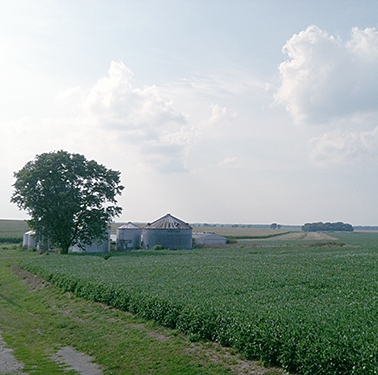
On behalf of a private U.S. agricultural technology provider, WPI’s team generated an econometric model to forecast the movement of concentrated corn production north and west from the traditional U.S. Corn Belt. WPI’s model has subsequently provided quantitative support to a multi-million-dollar investment into short-season corn variety development. WPI’s methodology included a series of interviews with regional grain elevators and seed consultants. Emphasizing outreach and communication with stakeholders who possess intimate sectoral knowledge – on-the-ground insights – is a regular component of WPI’s methodologies, made possible by WPI’s ever-growing network of industry contacts.