



Grains and livestock markets traded opposite directions to end the week with non-meat products ending lower amid profit taking and pre-WASDE position adjustment while livestock futures rallied across the board. One might have expected grain futures to post gains to end the week, given the week’s generally higher trend and overnight attacks on Ukraine’s port infrastructure, but traders were cautious amid the ongoing harvest and long-term bearish trends. Livestock futures did rally, however, based on positive developments in the stock and macroeconomic markets, as well as encouraging slaughter numbers and cash market trade. Funds were net sellers in corn, wheat, and the soy complex while taking the opposite position in livestock m...


 What You Need to Know Today: Last week’s Trump-Xi meetings included China agreeing to roll back $60 billion in tariffs on a huge swath of U.S. ag products, just notably not soybeans. The exclusion of soybeans from the tariff-reduction list means China’s state-run importers COFCO an...
 Mexico Trade Deal The Trump Administration is looking for a win before the November midterm elections, now just five weeks away, especially as trade relations with Canada worsen and there is now a truce with China. The U.S. has made it clear to Mexican officials that it wants a deal with Mexico...

 Key Takeaways: The U.S.-China agreement lowers tariffs on several U.S. agricultural products, but the lack of additional soybean commitments or greater certainty surrounding China’s existing 25 MMT purchase pledge made the deal a slight disappointment. Lower tariffs on U.S. corn are unli...

From WPI Consulting
Forecasting developments in production agriculture
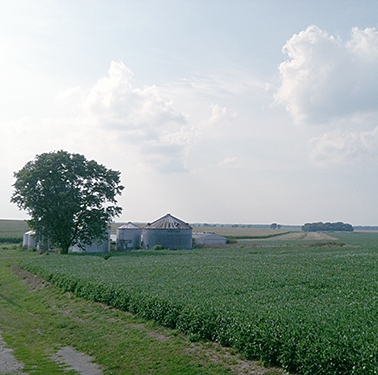
On behalf of a private U.S. agricultural technology provider, WPI’s team generated an econometric model to forecast the movement of concentrated corn production north and west from the traditional U.S. Corn Belt. WPI’s model has subsequently provided quantitative support to a multi-million-dollar investment into short-season corn variety development. WPI’s methodology included a series of interviews with regional grain elevators and seed consultants. Emphasizing outreach and communication with stakeholders who possess intimate sectoral knowledge – on-the-ground insights – is a regular component of WPI’s methodologies, made possible by WPI’s ever-growing network of industry contacts.