



The CBOT was, once again, mostly lower to end a week of strong selling as fund liquidation and speculative short selling continued. There was little fresh fundamental news for the day - and what bullish news developed for the wheat market was mostly ignored – which left the market to continue its trend lower. For the week, KC wheat and soybeans posted the largest percentage losses and all the major markets plowed through varying technical support levels. The Wheat Quality Tour pegged the Kansas HRW yield at just 30.0 BPA – the lowest yield since at least 2000 but up slightly from USDA’s May forecast of 29 BPA. The Tour’s five-year average yield for Kansas is 45.6 BPA and the total production from Kansas for 20...



From WPI Consulting
Infrastructure investment due diligence
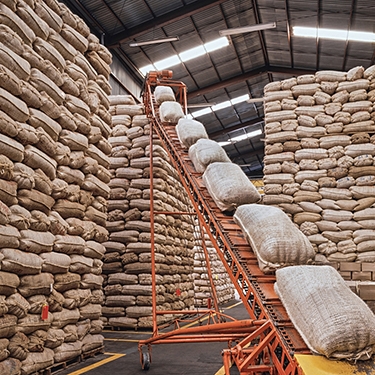
On behalf of a Canadian oilseed processer WPI's team provided market analysis, econometric modeling and financial due diligence in support of a $24 million-dollar investment in a Ukrainian crush plant. Consistent with WPI's findings, local production to supply the plant and the facility's output have expanded exponentially since the investment. WPI has conducted parallel work on behalf of U.S., South American and European clients, both private and public, in the agri-food space.