


Corn Harvest Progress and Crop Conditions Rain has slowed the corn harvest across much of Argentina’s central region, with progress advancing just 1.4 percentage points over the past week. So far, 8.1 percent of the national total has been harvested, surpassing last season’s pace by 5.1 percentage points, with an average yield of 7.88 MT/ha. Late-planted corn has shown a significant rebound in Córdoba and much of Buenos Aires province. However, some areas in Buenos Aires have suffered from flooding, which could result in acreage losses. Meanwhile, rainfall remains scarce in northern-central Santiago del Estero and the agricultural region of Chaco, significantly affecting production in these areas. Crop conditions remain s...



 What You Need to Know Today: Iran warned that it will retaliate against the U.S. if American strikes target Iranian infrastructure, as President Trump has threatened to do next week if negotiations between the two nations do not resume. President Trump is scheduled to deliver a primetime addre...


 Key Takeaways: Continued domestic demand for soyoil in the U.S. will drive prices higher and create a firmer outlook for global soybean values and crush margins. U.S. soyoil prices are set to increase 13-16 percent over the next four months as the domestic demand expansion takes hold. Th...
 Key Takeaways: Tensions in the Persian Gulf are further away than ever from being resolved, as the ceasefire has fallen apart completely and the U.S. and Iran are back to trading blows. Ships are still cautiously exiting the Strait of Hormuz but at a much slower rate than just a few week...

From WPI Consulting
Forecasting developments in production agriculture
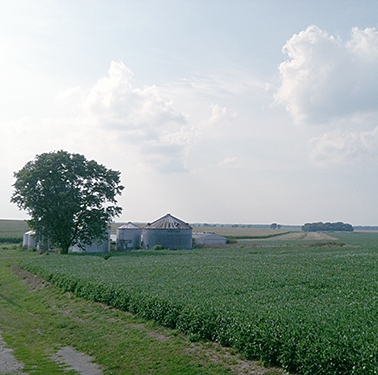
On behalf of a private U.S. agricultural technology provider, WPI’s team generated an econometric model to forecast the movement of concentrated corn production north and west from the traditional U.S. Corn Belt. WPI’s model has subsequently provided quantitative support to a multi-million-dollar investment into short-season corn variety development. WPI’s methodology included a series of interviews with regional grain elevators and seed consultants. Emphasizing outreach and communication with stakeholders who possess intimate sectoral knowledge – on-the-ground insights – is a regular component of WPI’s methodologies, made possible by WPI’s ever-growing network of industry contacts.