



Wheat Lack of rain and low soil moisture are still issues for Argentine farmers as they approach the wheat planting window. A few days ago, small areas received scattered showers and those farmers took the opportunity to plant wheat. But planting activities are still delayed for many farmers in the center/north and north as they are not able to plant due to drought and dry soils. Overall, planting has progressed faster than expected, mainly because the planting window is starting in the center and center/south where soil moisture was better. The Buenos Aires Grain Exchange reduced the planted area estimate by 100,000 ha, down to 6.5 Mha (versus 6.7 Mha last year). The FAS market saw origination of about 250 KMT per week during the past tw...


 What You Need to Know Today: Crude oil prices extended their rally today, supported by several developments, including escalating Houthi attacks on Saudi Arabian oil infrastructure and growing concerns about supply disruptions. The Trump administration is reportedly preparing to remove 50 perc...
 Regional News Dry weather across the UK and Europe is becoming increasingly concerning for the 2027 crops as planting intentions are lowered amid dry soil conditions. Delayed sowing or establishment under adverse conditions could leave crops more vulnerable to frost/freeze events and dise...

From WPI Consulting
Forecasting developments in production agriculture
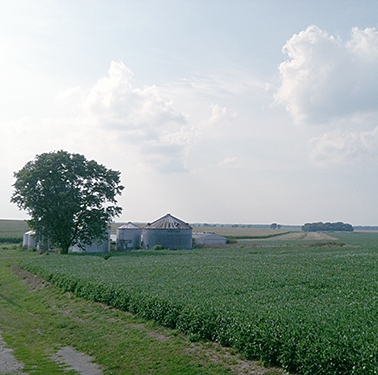
On behalf of a private U.S. agricultural technology provider, WPI’s team generated an econometric model to forecast the movement of concentrated corn production north and west from the traditional U.S. Corn Belt. WPI’s model has subsequently provided quantitative support to a multi-million-dollar investment into short-season corn variety development. WPI’s methodology included a series of interviews with regional grain elevators and seed consultants. Emphasizing outreach and communication with stakeholders who possess intimate sectoral knowledge – on-the-ground insights – is a regular component of WPI’s methodologies, made possible by WPI’s ever-growing network of industry contacts.