
As the border carbon tax idea picks up steam it leads to all kinds of possibilities for expanding use of border measures to extract policy changes. One target being discussed is the treatment of women, but they could be expanded to policy measures that distort trade, such as labor laws, tax policies, government subsidies, and exchange rate policies. After all, these distort the terms of trade such as productivity, trade costs, and supply. Why should using the lever of trade be limited to just climate change? Much as it becomes apparent in climate change policy, distorted use of the underlying data can create arbitrary outcomes. Brazil is criticized for loss of rainforests. Brazil is 62 percent forested, one of the highest in the worl...


 With less than 24 hours until Election Day, control of the Senate remains a wild card. Republicans and Democrats alike say they are poised to win control of the chamber in the new Congress that starts in January 2027. The House of Representatives is more of a lost cause for continued Republican...


 Crop Conditions-Argentina Corn Corn planting in Argentina has reached 47.3 percent of the projected 8.4 Mha, advancing 7.5 percentage points over the week and running 12.3 points ahead of last season, partly due to a larger early-planted area. Fieldwork gained momentum across western and southe...


 As predicted, the Federal Reserve held rates steady at the last meeting before the midterm elections, likely in part because of the election (see WPI 19 October and 22 September). The decision comes at the tail end of a midterm election cycle that has been marked by the two parties campaigning...
 Key Takeaways: The tariff burden rose sharply in 2025 and 2026: the effective rate on imports in HTS Chapters 1–24 increased from 1.53 percent in 2024 to 6.11 percent in 2025, before averaging 5.68 percent in January–August 2026. Headline rates tell only part of the story: exemptio...

From WPI Consulting
Forecasting developments in production agriculture
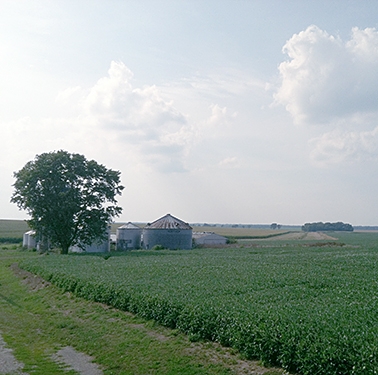
On behalf of a private U.S. agricultural technology provider, WPI’s team generated an econometric model to forecast the movement of concentrated corn production north and west from the traditional U.S. Corn Belt. WPI’s model has subsequently provided quantitative support to a multi-million-dollar investment into short-season corn variety development. WPI’s methodology included a series of interviews with regional grain elevators and seed consultants. Emphasizing outreach and communication with stakeholders who possess intimate sectoral knowledge – on-the-ground insights – is a regular component of WPI’s methodologies, made possible by WPI’s ever-growing network of industry contacts.