


The February and March USDA WASDE (supply and demand) estimates rarely make any significant changes as they come during a dead spot in world markets and growing seasons. The only time they might be bullish is when their release occurs amid a severe weather problem in Brazil and Argentina. That is not the case today, although Brazil’s soybean crop is around 10 percent smaller than expected at the time it was being planted. These reports can be slightly bearish if demand estimates for U.S. grains and oilseeds are reduced due to a slower-than-expected/needed export pace, which was the situation with today’s WASDE. USDA lowered the forecasts for corn and wheat exports as well as for corn used in ethanol production. The results were...


 What You Need to Know Today: Funds remain in control of the market, which means broadly bearish trade for the ag sector. Monday’s massive corn export sale to Mexico helped trigger some short covering and a bit of other end-user buying in corn, which could help stabilize the market. Wheat...

 With less than 24 hours until Election Day, control of the Senate remains a wild card. Republicans and Democrats alike say they are poised to win control of the chamber in the new Congress that starts in January 2027. The House of Representatives is more of a lost cause for continued Republican...

 Key Takeaways: U.S. hog and pork prices have declined sharply, with December lean hog futures ending October at $58.875/cwt and the pork cutout reaching its lowest level since January 2021. Seasonal increases in hog slaughter and pork production have contributed to price weakness, although the...

From WPI Consulting
Forecasting developments in production agriculture
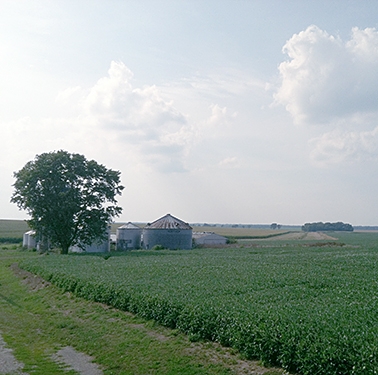
On behalf of a private U.S. agricultural technology provider, WPI’s team generated an econometric model to forecast the movement of concentrated corn production north and west from the traditional U.S. Corn Belt. WPI’s model has subsequently provided quantitative support to a multi-million-dollar investment into short-season corn variety development. WPI’s methodology included a series of interviews with regional grain elevators and seed consultants. Emphasizing outreach and communication with stakeholders who possess intimate sectoral knowledge – on-the-ground insights – is a regular component of WPI’s methodologies, made possible by WPI’s ever-growing network of industry contacts.