
Forecast for Argentine Soybean Crop Reduced Again The Buenos Aires Grain Exchange today lowered its forecast for the Argentine 2018 soybean crop from 47 MMT to 44 MMT because of the ongoing drought. It indicated conditions continue to worsen and seemed to suggest there could be a further reduction next week. Noticias Agricola reported that a survey of farmers found that this year’s soybean yields are expected to be 15-20 percent below normal in 92 percent of the planted area. It was indicated that some of the driest parts have received only 15 percent of their normal rainfall in the current growing season. The greatest damage has been done to late-planted and double-crop soybeans (planted after wheat). Reuters reported today that Ar...



 What You Need to Know Today: Chinese President Xi Jinping arrived at the White House today as part of a highly anticipated three-day visit to the United States, marking his first visit to Washington in eleven years. Trade is expected to feature prominently in discussions with President Trump,...

 Officials from the Trump Administration are reportedly considering rolling back the Administration’s beef import plan as there is a growing panic about the midterm elections. The proposal to reduce the 300,000 MT of beef imports – 100,000 MT for September – is being discussed...

 Key Takeaways: The United States shifted from a decades-long agricultural trade surplus to a growing deficit, reaching roughly forty-one to forty-four billion dollars in recent fiscal years, a structural change rather than a cyclical dip. Brazil has overtaken the United States as the leading s...

From WPI Consulting
Forecasting developments in production agriculture
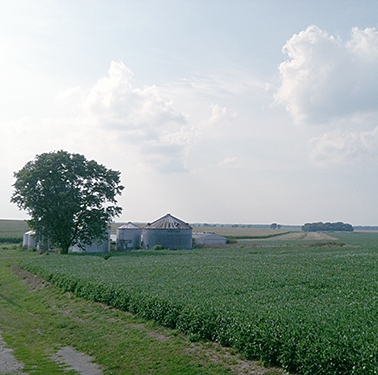
On behalf of a private U.S. agricultural technology provider, WPI’s team generated an econometric model to forecast the movement of concentrated corn production north and west from the traditional U.S. Corn Belt. WPI’s model has subsequently provided quantitative support to a multi-million-dollar investment into short-season corn variety development. WPI’s methodology included a series of interviews with regional grain elevators and seed consultants. Emphasizing outreach and communication with stakeholders who possess intimate sectoral knowledge – on-the-ground insights – is a regular component of WPI’s methodologies, made possible by WPI’s ever-growing network of industry contacts.