
Higher Forecast for U.S. Soybean Crop INTL FCStone yesterday boosted its forecast for the U.S. soybean crop from 4.782 billion bushels (130.16 MMT) to 4.796 billion bushels (130.54 MMT), a revision based on the firm’s increased estimate for the average yield from 53.8 bushels/acre to 54 bushels/acre (3.63 MT/hectare). If realized, those yield and production numbers would both be records. Reports from farmers indicate they are seeing excellent yields except in a few states that suffered from drought during the growing season such as Kansas, Missouri, southern Iowa and parts of North Dakota. However, varietal test plots in North Dakota’s Red River Valley, which was not as dry, averaged 56.2 bushels/acre. More test plot data from...



 What You Need to Know Today: As was widely expected, the Federal Reserve raised interest rates by 25 basis points to a target range of 3.75–4.00 percent, its first rate increase since 2023, as policymakers respond to persistent inflation pressures. The Fed also signaled that additi...

 Key Takeaways: USDA data access is equal; the ability to use it is not. Larger operations can afford experts who turn public reports into business decisions. Analytical capacity is the true advantage. Forecasts matter only when converted into profit, purchasing, and risk-management decisions...
 Russian Grain Markets: 7–11 September 2026 During the first week of September, the Russian grain market remained volatile but predominantly bearish. Among the few commodities that continued to show a bullish trend was rye, which is in short supply this year and has few offers available. I...

From WPI Consulting
Forecasting developments in production agriculture
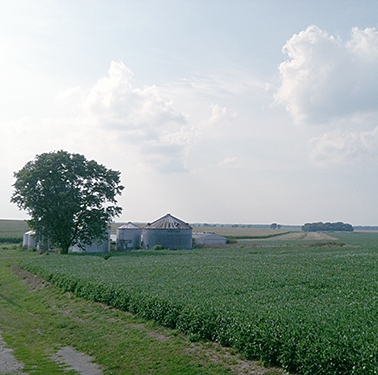
On behalf of a private U.S. agricultural technology provider, WPI’s team generated an econometric model to forecast the movement of concentrated corn production north and west from the traditional U.S. Corn Belt. WPI’s model has subsequently provided quantitative support to a multi-million-dollar investment into short-season corn variety development. WPI’s methodology included a series of interviews with regional grain elevators and seed consultants. Emphasizing outreach and communication with stakeholders who possess intimate sectoral knowledge – on-the-ground insights – is a regular component of WPI’s methodologies, made possible by WPI’s ever-growing network of industry contacts.