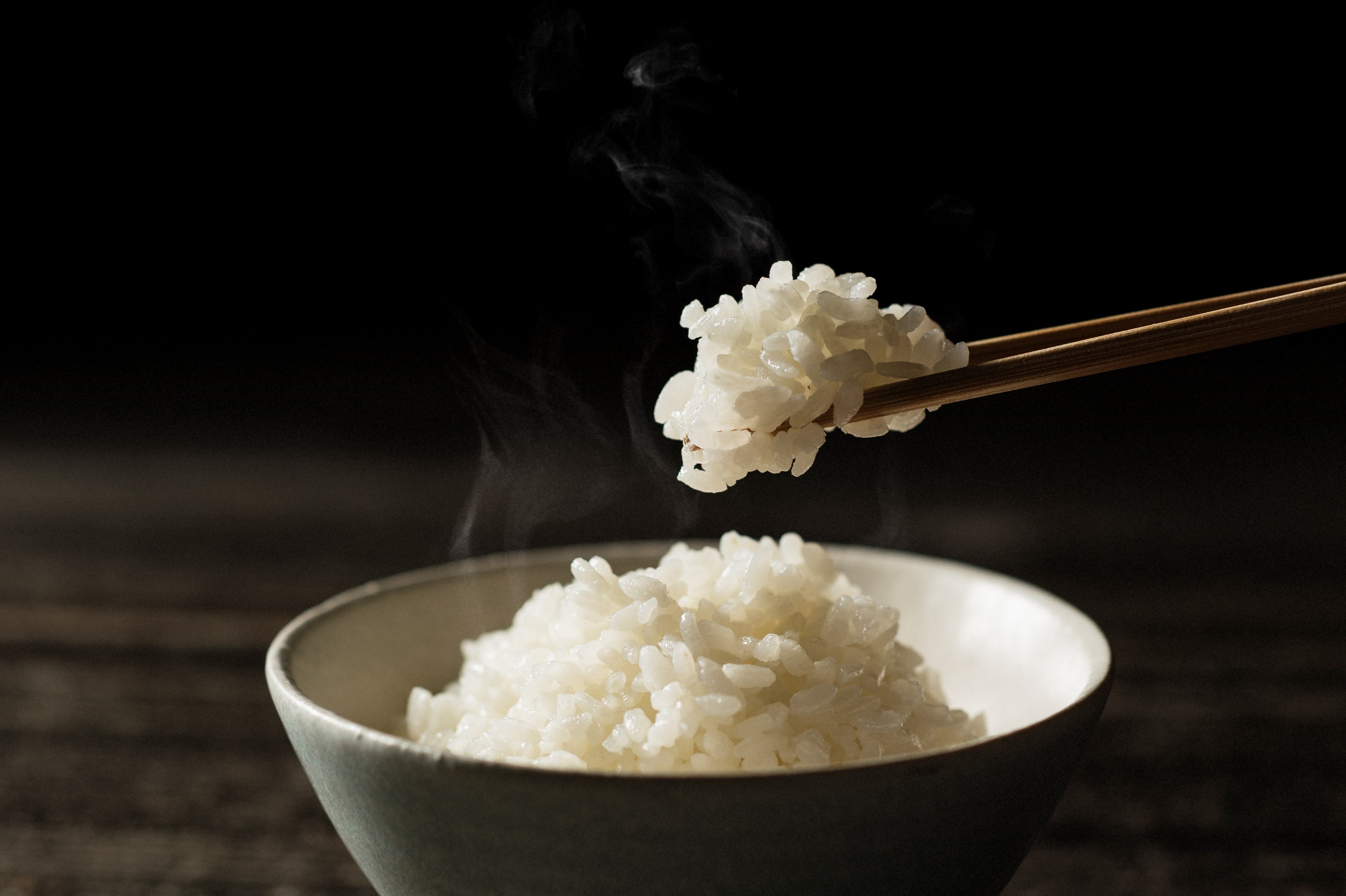
The Philippines Department of Agriculture announced the need to import another 500 KMT of rice. The country is already the second largest importer of rice after China, and this purchase will ensure it is a record year for Philippine imports. For most staple commodities, this is not a large volume, but rice is a relatively thinly traded crop. Only about 10 percent of global rice production is traded, with the Philippines typically taking about 5 percent of the total. The Philippines averages around 12 MMT of rice production per year with imports comprising an average 17 percent of consumption.
In India, the world’s largest exporter of rice, prices for 25 percent broken hit $436.60/MT, the highest level since 2011. Notably, ev...



 Key Takeaways: Dry bulk markets remain mixed with Capesize rates turning around from their recent weakness and posting solid gains on improved Chinese demand. Panamax vessels, on the other hand, saw rates decline amid greater tonnage availability in the South Atlantic and falling U.S. Gu...
 Key Takeaways: A student group from the University of Chicago is protesting to bring back onion futures trading. Trading in onion futures was banned in 1958 following a spectacular bout of market manipulation that resulted in a corner of the physical market. The ban on onion futures led t...
 WPI Grain Prices and Freight Rate App Note: you can also visit the app directly by clicking here. Supplemental Information The section below offers a concise view of the options available in the current version of the WPI FOB Price and Freight Rate app, along with a short “How To”...