
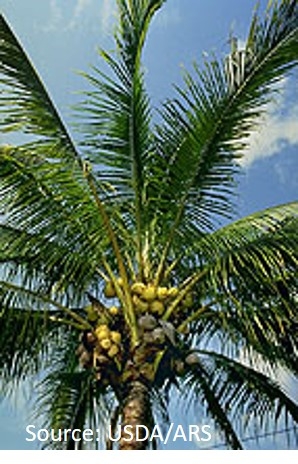
Oil palms require fertilizer every three months to maintain productivity but Russia’s war in Ukraine has threatened world supplies and driven up prices. This is particularly hurting Indonesia, the world’s largest supplier of palm oil. The imposition of export restrictions by Jakarta drove down the price of palm fruit at the same time fertilizer fell into short supply, driving up the price by 72 percent. The palm plantation area and production output in Malaysia has generally been flatter than in Indonesia, where area has been expanding and output growing even faster due to the increased use of fertilizer. Fertilizer use in Indonesia grew by 18 percent over the past decade but was flat in Malaysia. As a result, Malaysia ha...



 What You Need to Know Today: Chinese purchases of U.S. soybeans continued to accelerate, with USDA reporting another 558 KMT sold to China and 236 KMT to unknown destinations. Combined with sales announced Wednesday and Thursday, the latest purchases bring the three-day total to approximately...

From WPI Consulting
Accountability and a comprehensive approach to export programming

WPI’s team helped construct a strategic approach to develop, implement, and track promotional activities in 8 key regions across the globe for an agricultural export association. With continued progress measurement and strategic advisory services from WPI, the association has seen its ROI from investments in promotional programming increase by 44 percent over the past 5 years. Not only does this type of holistic approach to organizational strategy provide measurable results to track and analyze, it fosters top-down and bottom-up organizational accountability.