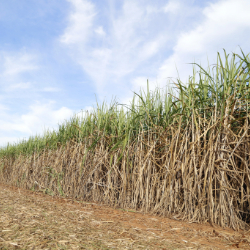
Mexico’s 2025/26 sugar production is estimated to be 5.024 million MT, reflecting about a 6 percent increase from 4.7 million MT after the past two years of weather-affected output, including both persistent drought and ill-timed rains. Nonetheless, production remains near the low end compared to pre-2023/24 years. Harvest delays brought about by October rains and flooding in Puebla, Veracruz, and San Luis Potosi have not been overcome as of early March, which is more than halfway through the harvest. Cumulative harvested area of 845,100 acres still lags last year’s pace by 8 percent but has been more than offset by sugarcane yields and the extraction rate. Overall sugar production to date, at 2.705 million MT, surpassed l...



 What You Need to Know Today: Chinese purchases of U.S. soybeans continued to accelerate, with USDA reporting another 558 KMT sold to China and 236 KMT to unknown destinations. Combined with sales announced Wednesday and Thursday, the latest purchases bring the three-day total to approximately...

 Key Takeaways: With the fall calf run now upon us, producers are finally getting a glimpse of what their realized profits will be for 2026. Some producers may have already obtained a strong estimate of 2026 revenues, especially if calves were forward sold in, for example, the mid-summer...
 As fall begins, wild migratory birds are starting their seasonal migration. That has the industry and government officials worried about the potential spread, again, of highly pathogenic avian influenza (HPAI). Some members of Congress have called for the United States to be prepared for a pote...

From WPI Consulting
Weighing in on strategic realignment

WPI’s team was retained by the governing board of a U.S. industry organization to review a decision, reached by vote, to invest significant assets into the development and management of an export trading company. WPI’s team conducted a formal review of this decision and concluded that the current level of market saturation would limit the benefits of the investment. Based on WPI’s analysis and recommended actions, the board subsequently reversed its decision and undertook a strategic planning effort to identify more impactful investments. On behalf of numerous clients, WPI has not only assisted in identifying strategic paths but also advised their implementation.