



SPREADS March crush trades to 68c/bu while oilshare bounces again to 32.60% from values that were at 31.0% on the lows. May/July corn places a new contract high at 5 1/2c while July/Dec bounces up to 74c from 70 1/2c, and the break this week which took the inverse down to 63c. March/May wheat trades from 1/2c to 3/4c carry. March wheat/corn trades from 1.44 1/4c down to 1.41c. July/Nov beans trades from 1.80 1/2c up to 1.89c in recovery trade for the inverse. March/May trades from 2 3/4c inverse down to 2 1/4c. PALM OIL April closes up 62 ringgits. Palm oil follows soyoil higher. Bargain hunting by cash market hedgers was in play for the bounce. NEWS Stocks are up...


 What You Need to Know Today: Russia rejected calls for a ceasefire in the Black Sea, including a proposal to halt attacks on civilian shipping that could help restore grain flows from Ukrainian ports. Tyson Foods announced plans to permanently close its Joslin, Illinois, beef processing facili...

 The big news in the cattle markets yesterday was Tyson Foods’ move to close two more beef plants. One of them, the Joslin, Illinois, plant was shuttered immediately after the announcement. The other, in Eagle Mountain, Utah, is a case-ready plant that does not slaughter cattle. Tyson also...

 The Bureau of Labor Statistics (BLS) released the Consumer Price Index (CPI) on Wednesday. In July, the CPI rose 0.1 percent, seasonally adjusted, and rose 3.4 percent over the last 12 months, not seasonally adjusted. The index for all items less food and energy, or the “core” infla...

From WPI Consulting
Infrastructure investment due diligence
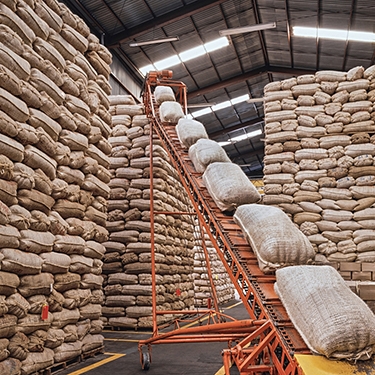
On behalf of a Canadian oilseed processer WPI's team provided market analysis, econometric modeling and financial due diligence in support of a $24 million-dollar investment in a Ukrainian crush plant. Consistent with WPI's findings, local production to supply the plant and the facility's output have expanded exponentially since the investment. WPI has conducted parallel work on behalf of U.S., South American and European clients, both private and public, in the agri-food space.