


SPREADS Sep. crush trades to 1.27c/bu while oilshare trades to 47.56%. Sep/Dec corn inverse trades at a small carry from 3/4c to 1 3/4c, while Dec/March trades from 8 1/4c to 8 1/2c. Sep/Dec wheat trends out to 10 3/4c from 10 1/4c. August /Nov bean inverse firms to 76c from 72c, while Sep/Nov trades from 4c inverse to 6c. Sep/Dec meal trades into $2.00 carry from $2.40. Spreads of note: Dec wheat/corn trades above 1.85c to new highs of 1.89 3/4c, following the bullish trend on the charts, with a current morning low of 1.83c. Nov/March bean spread trades to a new low of 4 3/4c carry from 3 1/2c, with the potential for further weakness. PALM OIL October palm traded up 150 p...


 What You Need to Know Today: Cattle futures extended their sharp selloff Friday as weakening cash cattle prices, deteriorating feedlot profitability, and reduced packer demand continued to weigh on the market. The inability of futures to sustain a rally following last week's bullish Cattle on...


 As predicted, the Federal Reserve held rates steady at the last meeting before the midterm elections, likely in part because of the election (see WPI 19 October and 22 September). The decision comes at the tail end of a midterm election cycle that has been marked by the two parties campaigning...

 Key Takeaways: WPI’s new EU rapeseed crushing margin models point to weaker processing returns over the next four months due to higher rapeseed procurement costs and weaker product values. Statistical forecasts call for German crushing margins to decline from €181/MT to €...

From WPI Consulting
Forecasting developments in production agriculture
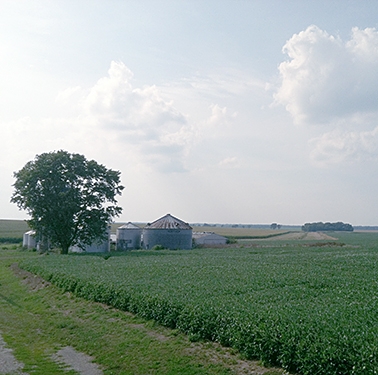
On behalf of a private U.S. agricultural technology provider, WPI’s team generated an econometric model to forecast the movement of concentrated corn production north and west from the traditional U.S. Corn Belt. WPI’s model has subsequently provided quantitative support to a multi-million-dollar investment into short-season corn variety development. WPI’s methodology included a series of interviews with regional grain elevators and seed consultants. Emphasizing outreach and communication with stakeholders who possess intimate sectoral knowledge – on-the-ground insights – is a regular component of WPI’s methodologies, made possible by WPI’s ever-growing network of industry contacts.