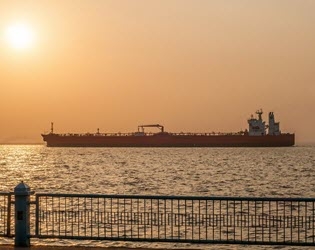
A third of U.S. grain and oilseed exports move through New Orleans and nearly 40 percent if one includes the Texas Gulf ports. Another 15 percent moves out the PNW to Asia. But what happens when the Mississippi dries up? In older literature, USDA’s Agricultural Marketing Service does not even show the Great Lakes ports moving cargo out of the Midwest. But when a conventional egress is blocked, find another route. U.S. wheat exports are about on par with last year, but corn and soybean exports are both off by about a fifth. Thus far this year, U.S. grain exports moving out through the Great Lakes and the St. Lawrence Seaway to the North Atlantic are up 40 percent and potash is up over 260 percent. Some of this moved prior to the...



From WPI Consulting
Communicating importance of value-added products

Facing increasing pressure to quantify the value of export promotion efforts to investors, a U.S. industry organization retained WPI to develop a quantitative model that better communicated the importance of exports. The resulting model concluded that value-added meat exports contributed $0.45 cents per bushel to the price of corn, increasing support for that sector’s financial support of WPI’s client. In addition to serving the red meat industry with this type of analysis, WPI has generated similar deliverables for the U.S. soybean and poultry/egg industries.