
UK Secretary of Business and Trade Kemi Badenoch is correct when she says there is a “zero” chance of a trade deal with the U.S. She pins blame on Joe Biden’s marriage to labor unions, which oppose just about any kind of trade liberalization. Her analysis arrives amid rumors that her boss, UK Prime Minister Rishi Sunak and U.S. President Biden are looking to form a “foundational” bilateral trade agreement because both face re-election in 2024. Ms. Badenoch goes on to correctly characterize FTA’s “as a tool” and that they are “not the answer to everything.” Left out of her analysis is the likely rejection by her government of making any significant concessions to the U.S. on agricul...



 Key Takeaways: On Friday afternoon, President Trump announced that Russia will “immediately supply over 300,000 Tons of Diesel Fuel” to the United States. The deal, typical of this administration, is light on details but promises an additional 500,000 tons in November and 1 m...

From WPI Consulting
Infrastructure investment due diligence
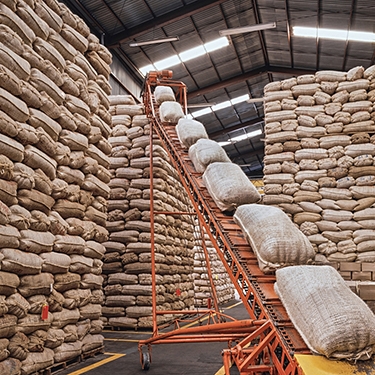
On behalf of a Canadian oilseed processer WPI's team provided market analysis, econometric modeling and financial due diligence in support of a $24 million-dollar investment in a Ukrainian crush plant. Consistent with WPI's findings, local production to supply the plant and the facility's output have expanded exponentially since the investment. WPI has conducted parallel work on behalf of U.S., South American and European clients, both private and public, in the agri-food space.