
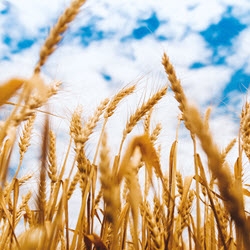
Decades ago, WPI’s staff was dominated by “Wheaties,” analysts who favored studying wheat. One analyst famously declared his “love” for wheat. It was widely grown in the U.S., a dominant export, and unlike corn or soybeans it involved six different classes, each with their own unique values but then subject to blending when end products and pricing favored it. It offered complexity. Wheat has long been dethroned volume-wise in the U.S. by corn and soybeans, and analysts may now favor livestock for its intricacies. But in many other parts of the world it retains its higher status. The key staple crops for humans are rice, wheat, and maize, with Asians producing and consuming most of the world’s rice. Howe...



From WPI Consulting
Forecasting developments in production agriculture
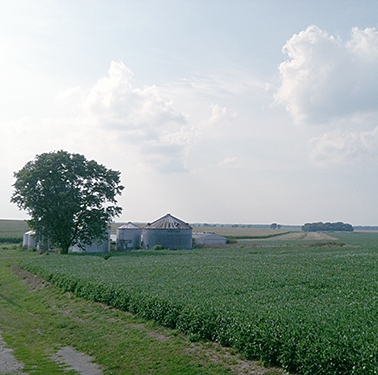
On behalf of a private U.S. agricultural technology provider, WPI’s team generated an econometric model to forecast the movement of concentrated corn production north and west from the traditional U.S. Corn Belt. WPI’s model has subsequently provided quantitative support to a multi-million-dollar investment into short-season corn variety development. WPI’s methodology included a series of interviews with regional grain elevators and seed consultants. Emphasizing outreach and communication with stakeholders who possess intimate sectoral knowledge – on-the-ground insights – is a regular component of WPI’s methodologies, made possible by WPI’s ever-growing network of industry contacts.