
Dry Bulk Markets The dry bulk market rally of the past two weeks has ended with rates turning softer this week. The Capesize sector – which lead the recent rally – is now leading the way lower with the Panamax sector in tow. The reason for the weaker rates is that fresh cargo orders collapsed, primarily due to slackening coal demand from East Australia. Despite this week’s pullback, there are reports that Capesize ballasting tonnage (ships sailing without cargo, or being “in ballast”, heading towards a major loading region) is tightening for LH August and FH September. This is causing speculation that this week’s downturn in the Capesize sector may be short-lived and that rates could pop highe...



 What You Need to Know Today: Headlines emerging from negotiations between President Trump and President Xi were relatively limited, with a more substantive announcement expected Monday. U.S. Trade Representative Jamieson Greer indicated that additional details related to agricultural trade cou...

 The heat of summer is now transitioning into more moderate temperatures, and the next two months have the busiest marketing periods of the year for replacement cattle. Weather always influences the replacement cattle market, and the primary grain belt in the Southern Plains, where many cattle a...


 Key Takeaways: Diesel accounts for about 64 percent of U.S. farm fuel spending. For farmers, the pressing question is what a higher price adds to each field operation. Iowa farm diesel averaged $5.50/gallon in September, compared with the $2.89/gallon Iowa State assumed for its February machin...

From WPI Consulting
Forecasting developments in production agriculture
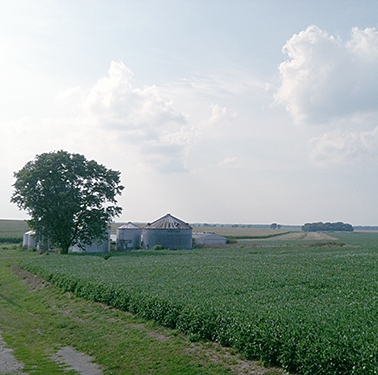
On behalf of a private U.S. agricultural technology provider, WPI’s team generated an econometric model to forecast the movement of concentrated corn production north and west from the traditional U.S. Corn Belt. WPI’s model has subsequently provided quantitative support to a multi-million-dollar investment into short-season corn variety development. WPI’s methodology included a series of interviews with regional grain elevators and seed consultants. Emphasizing outreach and communication with stakeholders who possess intimate sectoral knowledge – on-the-ground insights – is a regular component of WPI’s methodologies, made possible by WPI’s ever-growing network of industry contacts.