
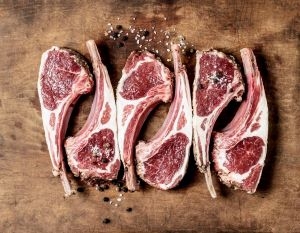
New Zealand famously is a country with more sheep than people, but the competition is slipping in favor of humans. The problem is the economics of wool, which is no longer an economically supportive coproduct. Wool is less needed in a warming world with many man-made alternative fibers, and landowners make more money converting grasslands to carbon credit paying forests. Wool production in New Zealand and in the rest of the world is in decline. While sheep meat output in New Zealand declines along with that of wool, global sheep meat has been expanding. However, it is falling behind the expansion rate of competing animal proteins such as poultry meat. Lamb consumption has always had a smaller group of fans, based on historic ge...



 What You Need to Know Today: As was widely expected, the Federal Reserve raised interest rates by 25 basis points to a target range of 3.75–4.00 percent, its first rate increase since 2023, as policymakers respond to persistent inflation pressures. The Fed also signaled that additi...
 Key Takeaways: USDA data access is equal; the ability to use it is not. Larger operations can afford experts who turn public reports into business decisions. Analytical capacity is the true advantage. Forecasts matter only when converted into profit, purchasing, and risk-management decisions...

From WPI Consulting
Infrastructure investment due diligence
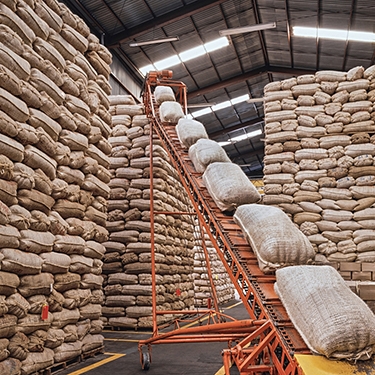
On behalf of a Canadian oilseed processer WPI's team provided market analysis, econometric modeling and financial due diligence in support of a $24 million-dollar investment in a Ukrainian crush plant. Consistent with WPI's findings, local production to supply the plant and the facility's output have expanded exponentially since the investment. WPI has conducted parallel work on behalf of U.S., South American and European clients, both private and public, in the agri-food space.