
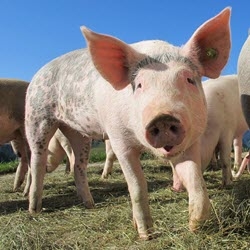
With the Labor Day holiday behind us it is timely to look at the hog and pork market. Slaughter the week before Labor Day was down 4.3 percent – though it was still 0.8 percent above the same week last year. And this week’s slaughter will be down on the holiday shortened week; so far this week, week to date daily slaughter is about 2.5 percent below last year compared to cumulative slaughter for the year being up 1.4 percent. Additionally, weights have been down for the past couple of weeks, about four pounds lighter than the same period in 2022. That is tightening up the pork market before moving into seasonally higher slaughter in a couple of weeks through October. If weights are lighter that will offset some of the hig...



From WPI Consulting
Illuminating the value of technical research

On behalf of a commodity producer organization, WPI evaluated the outputs from a project that featured a $5 million investment into technical research over multiple years. WPI’s team captured the results of this extensive effort and synthesized them for presentation to the organization’s governing board; among the findings uncovered and presented for the first time was the development of genomic traits proven, via rigorous testing, to provide crop yield advantages of 50 percent or more to U.S. farmers in times of drought. Capturing measurable results from long-term efforts can be challenging. Educating clients on the dynamics of success measurement when quantifiable results are not readily available requires deep client-consultant collaboration and an ability to consider both near- and long-term client aspirations with market/policy dynamics – attributes that WPI brings to every consulting engagement.