



The CBOT was mostly lower overnight with grain markets unable to find their footing after two bearish weeks and a weekend of favorable weather for Brazil and Argentina. The day session offered a bit of relief for bulls, however, with corn, wheat, soybeans, and soyoil finding their way to higher trade. The soy complex was the upside leader with soyoil benefiting from renewed optimism and higher trade in crude oil and energy markets, which essentially created a cascade of cautious buying across the CBOT. Corn and wheat, however, didn’t do much on the charts and the day’s push into the green looks technically meaningless on the charts. The market still looks to be absorbing the bearish shocks form the January WASDE with funds happi...



From WPI Consulting
Forecasting developments in production agriculture
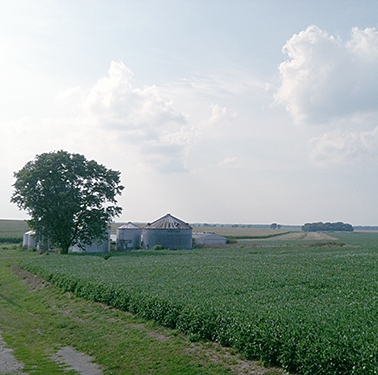
On behalf of a private U.S. agricultural technology provider, WPI’s team generated an econometric model to forecast the movement of concentrated corn production north and west from the traditional U.S. Corn Belt. WPI’s model has subsequently provided quantitative support to a multi-million-dollar investment into short-season corn variety development. WPI’s methodology included a series of interviews with regional grain elevators and seed consultants. Emphasizing outreach and communication with stakeholders who possess intimate sectoral knowledge – on-the-ground insights – is a regular component of WPI’s methodologies, made possible by WPI’s ever-growing network of industry contacts.