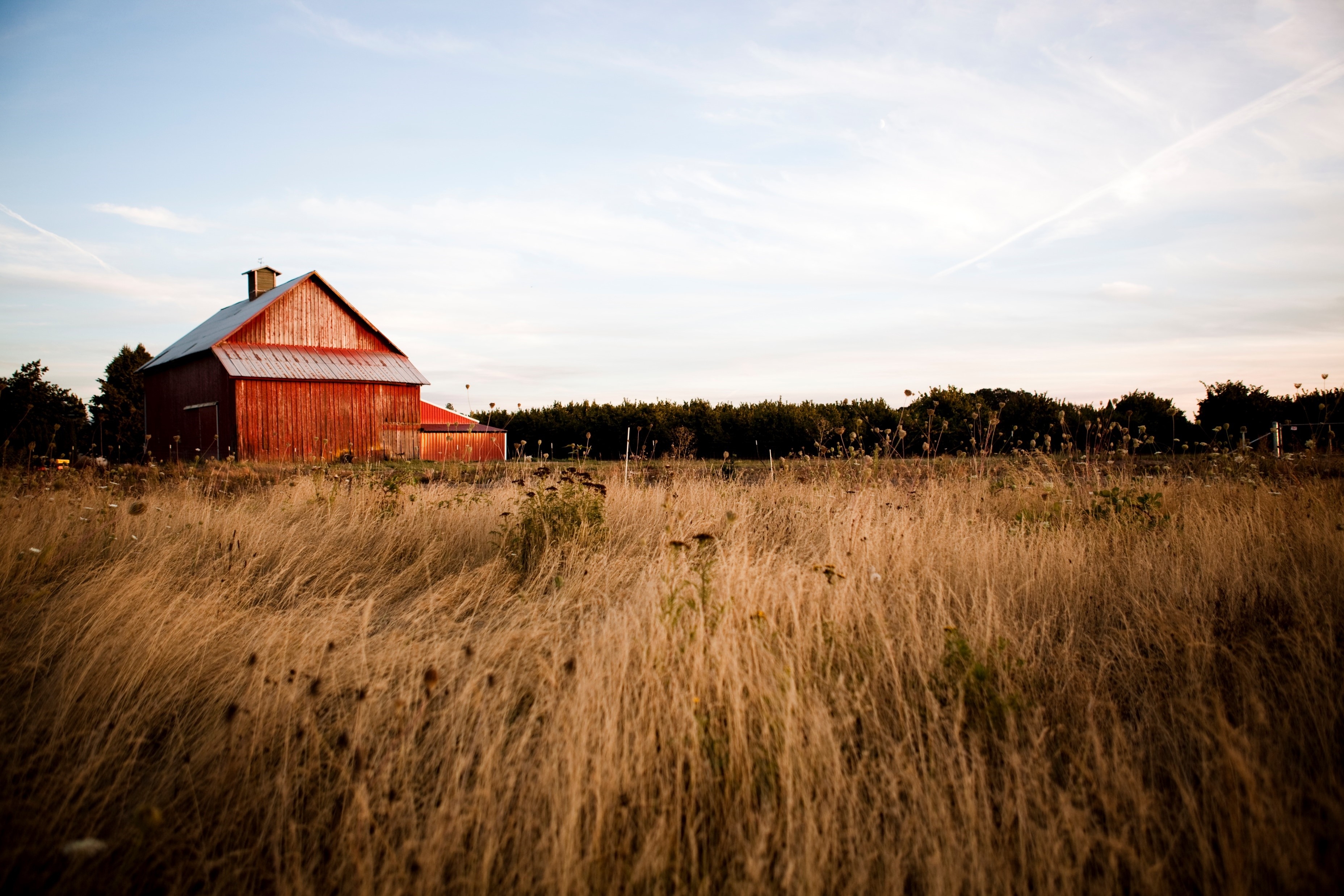
To feed the world, countries need to have more arable land than is needed to feed the domestic population and have a higher yield or crop output per unit of land. Even that may not be enough. Australia has both the land and the output but suffers from inconsistent moisture. Kazakhstan is in a similar situation. Sudan could be a larger contributor to global food supplies but suffers like many of its neighbors from inadequate land rights. Ukraine hits a sweet spot with an abundance of fertile soil and the ability to maximize output, seemingly even during war. Russia is in a similar situation, with economic sanctions having little impact on its agriculture sector. Underperforming is Argentina, which may prove the harm of punishing a sec...



From WPI Consulting
Infrastructure investment due diligence
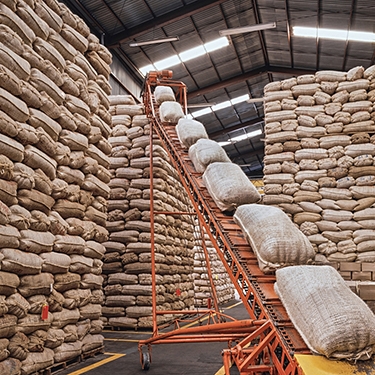
On behalf of a Canadian oilseed processer WPI's team provided market analysis, econometric modeling and financial due diligence in support of a $24 million-dollar investment in a Ukrainian crush plant. Consistent with WPI's findings, local production to supply the plant and the facility's output have expanded exponentially since the investment. WPI has conducted parallel work on behalf of U.S., South American and European clients, both private and public, in the agri-food space.