
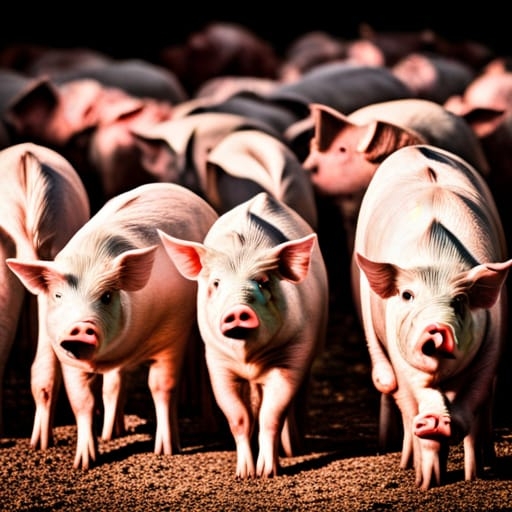
Later this month, USDA will release the quarterly Hogs and Pigs report sizing up the swine herd as of 1 September. There are a lot of reasons – none of them really good – to anticipate this report. Reports from Iowa State University show wean to finish operators have been in the red on a per head basis for 10 months, originating late last year. Sow slaughter has been up since about June and in the June quarterly Hogs and Pigs Report, farrowing intentions for the June through August quarter were down 3.6 percent, and farrowing intentions at that time for the quarter starting today through December were down 4.4 percent. Both make sense in context of sow liquidation. Will those reduced farrowing plans be followed through? Will tha...



From WPI Consulting
Infrastructure investment due diligence
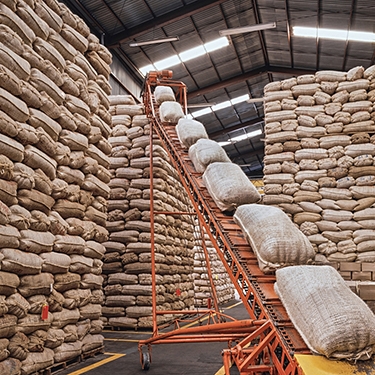
On behalf of a Canadian oilseed processer WPI's team provided market analysis, econometric modeling and financial due diligence in support of a $24 million-dollar investment in a Ukrainian crush plant. Consistent with WPI's findings, local production to supply the plant and the facility's output have expanded exponentially since the investment. WPI has conducted parallel work on behalf of U.S., South American and European clients, both private and public, in the agri-food space.