 Recent Farm Inputs Analysis


State of USMCA Talks: Progress with Mexico, Canada Stalled
 On Saturday, 10 October, at a campaign rally in Clarksville, Tennessee, President Trump said that the U.S. and Mexico would come to terms on a new trade deal, and he said Canada does not need to be part of the deal. Trump called the coming agreement with Mexico “great” but gave no d...


Executive Order and G7 Actions on Diesel Fuel
 In a letter last week to President Trump, Zippy Duvall, president of the American Farm Bureau Federation (AFBF), wrote that diesel prices are squeezing farmers’ margins. As Duvall wrote: Higher diesel expenses are hitting farmers at one of the most fuel-intensive times of the year —...
Energy Markets and the Slowly Disappearing Diesel Export Ban Proposal
 There was encouraging news over the weekend: the White House may reject the misguided idea on Capitol Hill to ban U.S. diesel exports. What WPI has noted previously was perhaps best put by a Department of Energy report of 2022, under the Biden administration: Petroleum liquids markets are globa...

Diesel Fuel Costs, One Acre at a Time
 Key Takeaways: Diesel accounts for about 64 percent of U.S. farm fuel spending. For farmers, the pressing question is what a higher price adds to each field operation. Iowa farm diesel averaged $5.50/gallon in September, compared with the $2.89/gallon Iowa State assumed for its February machin...
The Farm at the Edge of the World: American Agriculture and a Global Reckoning
 Key Takeaways: The United States shifted from a decades-long agricultural trade surplus to a growing deficit, reaching roughly forty-one to forty-four billion dollars in recent fiscal years, a structural change rather than a cyclical dip. Brazil has overtaken the United States as the leading s...
Higher Interest Rates Put More Pressure on Farm Margins
 Key Takeaways: Higher interest rates increase the cost of financing agricultural production, reducing farm margins without providing any corresponding increase in production or revenue. The financial impact of higher rates varies considerably by operation, with highly leveraged producers and t...
Senate Moves Farm Bill, but That May Be Not Enough
 Last week, the Senate Ag Committee passed the farm bill on a party-line vote upon the return of Senators Mitch McConnell (R-Kentucky) and Tommy Tuberville (R-Alabama), who missed the vote on 6 August (see WPI coverage here) when it failed by a similar party-line vote, 10-11. Democrats held the...
Fertilizer Shock: Concentration, Competition and the Cartel Question
 What You Need to Know: U.S. fertilizer production is highly concentrated, but concentration alone does not establish that producers are operating as a cartel. Imports introduce competition unevenly: they supply nearly all U.S. potash consumption but play much smaller roles in domestic ammonia...
Livestock Round Up: USDA Plans to Expand Small and Very Small Beef Processors
 Under an Executive Order on 4 September, USDA announced $50 million in new funding to help states establish or expand meat and poultry inspection programs as part of an effort to increase processing options for livestock producers. It’s called the Stand-Up Program, which will help states...
Another Try at Ag Labor Legislation
 What You Need to Know: H-2A has become a principal agricultural labor channel: certifications increased from fewer than 117,000 in 2014 to 398,258 in 2025 and continued to rise in 2026. The proposed Securing Agriculture’s Workforce Act (SAWA) would open H-2A to year-round operations and...
USDA Reports - The Real Divide in American Agriculture Isn't Who Has the Data — It's Who Can Afford to Read It
 Key Takeaways: USDA data access is equal; the ability to use it is not. Larger operations can afford experts who turn public reports into business decisions. Analytical capacity is the true advantage. Forecasts matter only when converted into profit, purchasing, and risk-management decisions...

Time Running Out: Fly In for the Farm Bill, North American Trade
 The Senate will reconvene today after a late August recess and will adjourn in early October, in about 3 to 4 weeks. The farm bill will move front and center on the agenda. A major fly-in is scheduled for today and Tuesday, with the goal of hitting all Senate offices. Groups participating in th...
Implications of $100+ per Barrel Crude Oil on Agriculture
 Key Takeaways: The significance of $100-per-barrel crude depends largely on how long prices remain elevated, as sustained high energy costs are more likely to influence longer-term agricultural decisions. Higher crude oil prices raise farm production costs most directly through diesel, while a...
Glyphoscience and Glyphoeconomics
 It is hard to have a productive conversation about agricultural pesticide use. The subject carries so much ideological baggage that raising it can invite an argument—or bring the conversation to an uncomfortable silence. Glyphosate, the active ingredient most closely associated with the R...
New Louisiana Plant to Boost U.S. Phosphate Fertilizer Production
 Key Takeaways: CHS and OCP plan to invest up to $450 million in a Louisiana phosphate fertilizer facility capable of producing more than 1 MMT annually, marking the first new U.S. plant of its kind in more than 40 years. The facility could reduce U.S. dependence on imported finished phosphate...
An Exploration of the Colorado River and Its Many Legal and Economic Canyons
 You cannot escape the vortex of opinions about water scarcity in the Western United States, especially in the drought-stricken Colorado River Basin. Agriculture is the villain in many of these editorials. Agriculture uses too much water, so it should use less, is the refrain. We all wish it was...
Cow-Calf Profit Outlook Falls Amid Shifting Economics
 Key Takeaways: Expected returns to production for U.S. cow-calf producers have shifted lower from prior forecasts as cattle values fall and feed costs rise. Producer revenues are forecast 4–5 percent below our July outlook and will be 3 percent below 2025 levels. Costs are quickly...
The Netherlands: An Unlikely Agricultural Powerhouse
 Key Takeaways: Despite its limited farmland, the Netherlands is a major agricultural exporter, focusing on high-value products such as dairy, flowers, meat, and vegetables. The Port of Rotterdam makes the Netherlands a major European agricultural trade hub, supporting significant processing an...
Gene Editing Offers a New Path for Crop Development
 Key Takeaways: Gene editing makes targeted changes to a plant’s existing DNA, while genetic modification can introduce genetic material from another organism to create traits not naturally present in the crop. Gene editing is unlikely to replace genetic modification entirely, as the two...
What Makes a Beef Processing Plant Vulnerable to Closure?
 Key Takeaways: With cattle supplies historically tight and packer margins deeply negative, beef processors are reducing excess slaughter capacity, with decisions over which plants to close driven by cattle availability, operating efficiency, and the ability to maintain high utilization rates...
Brazil’s Reliance on Imported Fertilizer Is a Potential Weak Link
 Key Takeaways: Brazil’s growing role in global agriculture is accompanied by a major vulnerability: the country imports approximately 88 percent of its fertilizer needs. High natural gas costs and development challenges have limited domestic nitrogen and potash production despite Brazil&...
Fertilizer’s Bullish Outlook for 2027
 Unlike the 2022 fertilizer shock, today’s disruption is rooted less in rerouted trade flows and more in damaged production capacity, raw material constraints and uncertain recovery timelines. That makes this a longer-duration risk for U.S. agricultural producers and retailers who must sec...
Agricultural Investment: More Than Commodity Prices
 Last week we reviewed an overlooked measure: agricultural productive capital. Using some Bureau of Economic Analysis (BEA) data, we developed an index of gross capital investment, which showed a major investment surge in agricultural equipment purchases in 2012–2014. Farm investments peak...
Fertilizer Outlook
 Easing tensions in the Strait of Hormuz, assuming the ceasefire holds, should bring fertilizer prices down, but it could be years before that actually occurs because fertilizer price shocks resulted from not one, but two wars in or near the heart of global fertilizer production. Those wars resu...
Biomass-Based Diesel Feedstock Update: May Sets Record for Soyoil Usage
 Key Takeaways: Soyoil consumption as a biofuel feedstock climbed to a record 1.434 billion pounds in May, setting a new all-time monthly high. Improved 45Z policy clarity in February 2026 has supported stronger soyoil demand from the biofuel sector by providing producers with greater certainty...
Agriculture’s Productive Capital: An Overlooked Measure
 Agriculture generates a lot of numbers in addition to crops and livestock. As ag economists, we are continually reviewing crop production, commodity prices, farm incomes, and international trade. You don’t often see much about capital investment in the ag press, however. New mills and gra...
Sorghum’s Growing Role in Ethanol Production
 Key Takeaways: Sorghum is gaining importance as an alternative ethanol feedstock, particularly in the Southern Plains where ethanol plants can utilize the grain based on relative pricing and availability compared to corn. Sorghum’s drought tolerance makes it a valuable alternative to cor...
Small Ruminants: A Global Protein System the U.S. Market Has Yet to Price In
 Executive Summary Sheep and goats represent one of the largest livestock protein systems in the world, with an estimated 2.3 billion head globally; however, they remain almost entirely absent from U.S. agricultural policy, trade strategy, and market forecasting. The U.S. small ruminant herd, at...
Banning Glyphosate Could be Expensive
 The Make America Healthy Again (MAHA) movement has reached a critical point after the Supreme Court ruled on 25 June that Bayer is shielded from state-level lawsuits because federal regulation does not require the company to warn of alleged cancer risks from such products. Thousands of "failure...
Cow-Calf Profit Outlook Riskier on Drought, Cost Pressures
 Key Takeaways: U.S. cow-calf producers are facing another year of record-breaking revenues and net returns for 2026, though rising cost pressures and pullbacks in cattle prices increase risks. Drought remains a key concern for much of the cow-calf industry this year, with rising feed cos...
Section 301: A New Tariff Architecture
 Just when we thought it was safe to step outside and enjoy some certainty in the world of international commerce, the Trump Administration announced on Thursday afternoon a barrage of tariffs on 60 countries based on its recent Section 301 investigations. Section 301 permits the executive branc...
Shifts in Global Hunger
 Key Takeaways: The latest UN data shows solid progress reducing global hunger and food insecurity. The geography of hunger-affected people has shifted substantially, however, and Africa is now the most affected region. To understand why hunger patterns have shifted and what policy option...
Agricultural Labor Shortages Accelerate Automation, but Challenges Remain
 Key Takeaways: Persistent labor shortages are increasing operational challenges and costs across U.S. agriculture, particularly in labor-intensive sectors such as specialty crops, dairy, and meat processing. Immigrant workers, including H-2A employees, remain essential to the agricultural work...
New Mexico’s Clean Fuel Program Adds Pressure to Renewable Feedstock Markets
 Key Takeaways: New Mexico’s Clean Transportation Fuel Program expands demand for low-carbon fuels and creates another market for renewable feedstocks, adding incremental pressure to already limited supplies of lower-carbon inputs. Growing competition for waste-based feedstocks such as an...
Russia’s Diesel Export Ban Tightens Global Fuel Markets and Raises Agricultural Costs
 Key Takeaways: Russia’s diesel export ban is tightening global fuel supplies and increasing dependence on alternative exporters. Limited refining capacity and logistical constraints make diesel markets especially sensitive to supply disruptions. Diesel supply disruptions are more difficu...
Cover Crops Gain Momentum as a Tool to Improve Soil Health
 Key Takeaways: Cover crops are gaining adoption as farmers seek to improve soil health, reduce erosion, and build more resilient cropping systems. While cover crops do not provide immediate revenue, their long-term benefits include improved nutrient retention, water management, and soil produc...
Ethanol and Biodiesel Margins
 What You Need To Know Today: Ethanol margins continue to run well above year-ago and normal seasonal values, but have slipped in recent weeks on weaker DDGS and ethanol pricing. WPI’s models project a steady decrease in returns to ethanol production following the end of the summer...
Trump Suspends Phosphate CVDs
 On Monday, the Trump Administration suspended the countervailing duties (CVDs) on phosphate fertilizer imports from Morocco via Executive Order. The CVDs were imposed in 2021 by the Biden Administration and were subject to a routine five-year sunset review. According to the Agricultural and Foo...
Senate Farm Bill and $11 Billion Supplemental Appropriation Request
 On Wednesday, the White House submitted a national security supplemental spending request for $87.6 billion. The majority of the request includes funding for the conflict in the Middle East, but there are agricultural provisions as well. The supplemental funding package includes more than $11 b...
Vertical Farming: A Promising Concept Held Back by Economic Challenges
 Key Takeaways: Vertical farming offers year-round production, reduced water use, and the ability to grow fresh produce closer to consumers. High electricity consumption for lighting and climate control has proven to be the industry's biggest obstacle to profitability. Large upfront investments...
Regenerate, or not? You Get to Choose
 It is easy to get overwhelmed by the debates surrounding farm policy and crop production, especially the current back-and-forth about regenerative agriculture. Regeneration appears to be the word of the decade, the one that won’t go away. Its ubiquity cannot be ignored; in the same way we...
Commodity Policy Being Shaped by Unfolding Farm Crisis
 With the war in Iran affecting fuel and fertilizer prices, higher tariffs, weak commodity prices, ag labor constraints, and other factors, farm bankruptcies are now at a 6-year high, a signal of growing stress. During the month of April, 62 Chapter 12 bankruptcies were filed, which is a 1...
Conflict in the Gulf: Impacts on Shipping and Energy
 For weeks now, global energy and geopolitical markets have been speculating about a possible conflict in the Middle East between Iran and the U.S., but they still seemed unprepared and entirely surprised by what happened this weekend. Without going into the details that news outlets have alrea...
Phosphate and Potash Added to Critical Minerals List
 The Department of the Interior has added phosphate and potash, two key fertilizer ingredients, to the official Critical Minerals List. They are part of 60 minerals deemed vital to the U.S. economy and national security, with 10 of those being newly listed, that face potential risks from disrupt...
Oil Cost and Input Forecast
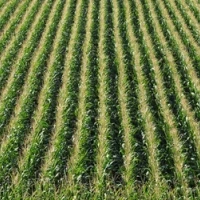 According to the latest Short Term Energy Outlook (STEO), U.S. petroleum production is forecast to hit 13.41 million barrels per day (bpd) in 2025 due primarily to improved well productivity. Increased supply will lower prices in 2026 and result in a fall in output to 13.28 million bpd in...
Summary of Futures
May 25 Corn closed at $4.515/bushel, down $0.0475 from yesterday's close. May 25 Wheat closed at $5.3675/bushel, down $0.11 from yesterday's close. May 25 Soybeans closed at $9.99/bushel, down $0.125 from yesterday's close. May 25 Soymeal closed at $293.5/short ton, down $4.5...
Summary of Futures
Mar 25 Corn closed at $4.98/bushel, up $0.005 from yesterday's close. Mar 25 Wheat closed at $5.855/bushel, down $0.065 from yesterday's close. Mar 25 Soybeans closed at $10.455/bushel, up $0.1375 from yesterday's close. Mar 25 Soymeal closed at $296/short ton, up $1.3 from ye...
CFTC COT Report Analysis
The CFTC report was in line with expectations again as it showed funds still engaged in the expected buying in corn and across the soy complex. Funds expanded their long position in corn by 7 percent and are now just about 17,000 contract shy of their seasonal record long position. Funds were n...
CFTC COT Report Analysis
The major theme of the latest CFTC report is funds paring back risk in corn and the soy complex heading into the December WASDE report and/or the holiday season. Corn’s range-bound trade these past two weeks prompted funds to shed 13 percent of their long position in the market and have liquida...
Feast or Famine
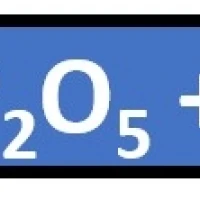 The COVID supply chain meltdown created anxiety over the availability of agricultural inputs. This compelled many operators to look forward and lock in their needs for 2023, often at elevated prices. This buy-high insurance marker has been met with ammonia prices that have now fallen by 50 perc...
Similarities of Farming and Manufacturing
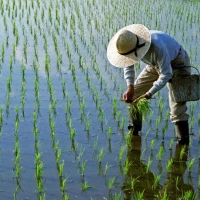 Debate around the reauthorization of the U.S. farm bill is focused on the legislation’s two major functions, domestic food assistance and farm price supports. The former involves Republicans trying to reduce the most generous portions of what amounts to 81 percent of farm bill spending, a...
Black Sea Grain Initiative: One and Done?
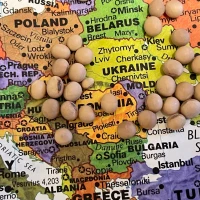 The uncertainty that Russia’s invasion has brought to agricultural markets continues. Roughly 32.9 MMT of grain has been exported from Ukraine since the Black Sea Grain Initiative (BSGI) began in July 2022. Russia refused to extend it Monday, siting the continued sanctions that target Rus...
Green Deal Strategies
 It has been a year since the EU released its plan for halving the use of pesticide and slashing fertilizer use and the debate over it is evolving. The farming lobby has stiffened its spine with the Dutch government backing away from some of its strident demands, and now agriculture members of t...
Climate Change and Farm Bill
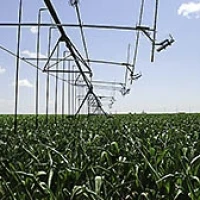 During the farm bill reauthorization this year, farmers want to protect their support programs including crop insurance. By contrast, environmentalists want to see a stronger emphasis on conservation. American Farmland Trust is an organization focused on preserving farms, farmland and promoting...
USA Land Use Changes
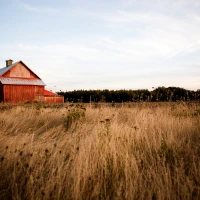 The acres used for crops in the U.S. peaked in 1981 when farm income was low and farmers tried to make up for it by expanding production. The acres used for crops in 2022 was 14.7 percent fewer and the share of cropland successfully harvested had risen slightly to 85 percent. While the n...
AMLO Spits on U.S. Corn; Sovereign Right to EV’s; Green Fertilizer Dreams
 AMLO Spits on U.S. Corn If there were any doubts in the U.S. government about Mexico’s intent about GMO corn, President Andrés Manuel López Obrador cleared up their unwarranted confusion. He said Mexico could not buy GMO corn because there is no evidence it is safe. In a Tru...
Fertilizer: No Room for Error
There are a lot of uncertainties in the market and ranging from the political like the war, to the mundane such as weather. One variable front and center is fertilizer. It is both essential to crop production, and an environmental externality. The goal of reducing its use has come squarely conf...
Fertilizer Crisis
Fortunately, Hurricane Ian did not adversely impact Florida’s production of phosphate for crop production, but nitrogen remains a major supply concern. This is especially true in Europe where limited natural gas supplies will be focused on winter heating needs and maintaining industrial o...
South America’s Fertilizer Situation
Rabobank reports that fertilizer supplies will improve in 2023 with downward pressure on phosphate and potash prices, but nitrogen may see a 20-30 percent price hike. This is an important competitiveness factor for agricultural exporters. North and South America both have abundant supplies of p...
Green Food Crisis; Geopolitical Collusion
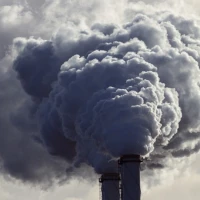 Green Food Crisis Regardless of the war in Ukraine and a global food price shock, the EU is moving forward with its plan to cut by half the use of “risky” pesticides by 2030. The goal is to replace them with “safe and sustainable alternatives.” For some, it looks like ad...
War on Energy and Food
 While the price of Brent crude is up 12 percent since Friday, fertilizer has increased 33 percent. Fertilizer values are priced to energy but now seem to be outpacing it. Crop nutrients have been hit by a trifecta of higher energy input costs, soaring demand and low supplies. Agricultural commo...
Getting Away with It; On Message, Out of Tune; Its Complicated
 Getting Away with It The threats of sanctions did not deter Vladimir Putin’s invasion of Ukraine and there is no reason to believe their implementation will now reverse the situation. The aggression has created much for the transatlantic alliance to ponder. First and foremost is China, wh...
Eye on Weather for 2022 Considering Fertilizer Prices
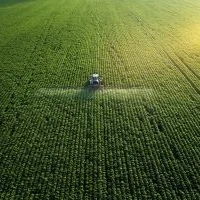 There has been much discussion and focus on the weather conditions in South America, and Brazil in particular where it has been dry across the central and southern parts of the country. Heavy rains are also causing crop loss in some of the northern areas. The forecast is for more La Nina effect...
Africa Already Green

Changes in Chemical Usage
The U.S./Canada and Europe have increased pesticide usage only slightly over the past two decades whereas South America’s usage has grown by almost 120 percent. Africa’s pesticide usage in agriculture has grown by nearly 69 percent, but from a very small base. Asia is the dominant a...
Worsening Food Prices
 Key agricultural commodity prices have risen sharply over the past two years, some reaching their highest level in a decade (see graph below). Now the UN says that climate change could cause production to fall 30 percent at the same time food demand is forecast to rise by 50 percent. The cautio...
No N, No GMO, No Food
 Some environmentalists were aghast at the COP26 meeting when mega-billionaire and serial do-gooder Bill Gates described nitrogen fertilizer as “magical” and opined that, “to grow crops, you want tons of nitrogen.” They called nitrogen fertilizer a major cause of greenhou...
Tech City on a Hill; Distance Warms Heart
Tech City on a Hill Some nationalistic political philosophers like to characterize the U.S. as a beacon of hope for democratic ideals and while some will say this has come to pass, it does offer hope to technologists. The proof was today’s House Agriculture Committee hearing on how to boo...
Notable TFP Changes
 U.S. Secretary for Agriculture Tom Vilsack and EU Agriculture Commissioner Janusz Wojciechowski will be on the stage together next week at the Forum for the Future of Agriculture & Farm Europe. Mr. Vilsack has taken the position that increasing productivity is the pathway to sustainability...
High-Cost Energy/Ag Inputs Forecast
 The U.S. Energy Information Administration (EIA) released its winter fuels outlook last week, forecasting rising prices for several key agricultural inputs. First, natural gas will continue pushing up nitrogen fertilizer prices. While there are a number of factors at play in fertil...
F2F Proxy; Rolling Inflation; Selective View of Tensions
 F2F Proxy Greens in Europe have been downplaying the impact on production from reduced use of inputs, arguing that studies showing lower production are flawed. Whether the use of inputs like fertilizer are reduced due to government restrictions on use (F2F) or tempered by record high prices, th...
Technical Views - Retrace Lower
 SPREADS Dec crush trades to 88c/bu while oilshare trades at 45.0%. Dec/March corn trades out to 8c from 7c, while Dec 21/22 trades from 23 1/2c carry to 20 3/4c. Dec/March wheat carry trades from 10 1/2c to 11c. Dec wheat/corn trades from 1.86 1/4c to 1.83c. Nov/Jan bean...
Fertilizer Prices and Production
 DTN reports that for the first time in about nine months there was no significant increase in fertilizer prices this past month. Among the eight major components, prices have risen between 36 percent to a 76 percent increase for MAP. Higher crop prices have meant higher farm revenue and increas...
GMO Tipping Point; One-Way Ethanol; Opium or Food?
 GMO Tipping Point They do not call it genetic modification because of all the negative baggage associated with the first wave of organisms modified to be better. The technologies that have evolved from originally inserting a gene into DNA instead have a trendier moniker, new genomic techniques...
EO “Attempts” Competitive Ag Economy
 Much of the Biden Administration’s agriculture agenda was furthered today by an Executive Order (EO) issued from the White House while Secretary Vilsack was in Council Bluffs, Iowa, to tout the plan. The order to Promote Competition in the American Economy is a broad reaching effort...
CPTPP Appeal; Food Opponents; TRIPS for Free
 CPTPP Appeal China’s aggressive effort to join the Comprehensive and Progressive Agreement for Trans-Pacific Partnership (CPTPP) may be having an unintended effect – causing the U.S. to reconsider its previous rejection of such an agreement. If China were to join, which seems unlike...
AM Outlook - Overbought?
 GOOD MORNING, Prices are higher across the board this morning as beans and soyoil place new contract highs for the week, continuing strong up-trends. Crude oil is firmer, which underpins the soyoil market, though Asian values are a bit lower this AM. Higher world vegoil markets in t...
Exporting Water
 The latest mantra from development specialists is concern about the future availability of water. It is an old topic but a durable one given the preciousness of the resource. Since 70 percent of the withdrawals of freshwater around the world are for agriculture, and 60 percent more food must be...
Green on Black Equals Red; Fake Honey
Green Impact on Black Equals Red Activists in Europe are protesting against today’s “Black Friday” shopping extravaganza. They argue that the environmental externalities of consumerism will destroy the planet. This begs the question of whether commercial minimalism will destro...
Technical Views - Meal Correction Upwards
 SPREADS September KC/Chicago spreads moved to new contract lows yesterday. KC wheat/corn spreads moved back to levels conducive to putting HRW back into feed. October crush firms to 1.07c/bu while oilshare firms to new highs at 33 percent. Dec/March corn trades from 10c...
Market Commentary
 Weather forecasts run yesterday afternoon and evening continue to show a drying trend across the Corn Belt, which led futures lower overnight. The worst of the planting-delaying weather seems to be over, and fresh forecasts are broadly encouraging. Overnight pressure also came from news that ho...
Market Commentary
Overnight trade featured prices on both sides of unchanged in heavy volume (well, heavy for an overnight session). Corn attempted to break below yesterday’s low but failed, which brought more buying heading into the morning. At the close, corn, soybean and wheat futures were all higher. T...
Black Sea Regional Analysis
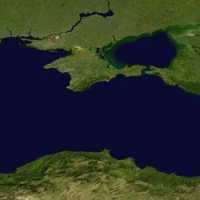 Russian Grain Markets: 18-22 March 2019 Prices on the domestic market again declined in RUB expression but moved in different directions in USD expression. Meanwhile, the average milling wheat export price rose $4/MT to $228/MT FOB Black Sea, while purchase prices remained unchanged in RUB expr...
Ag Review - February 2019
WPI's monthly publication features analyses of U.S. agribusinesses, the U.S. farm equipment industry, the U.S. meat and livestock industry, the global outlook for farm inputs, and policy trends. It also provides a review of agribusiness stock prices along with expectations for future performanc...
State of USMCA Talks: Progress with Mexico, Canada Stalled
On Saturday, 10 October, at a campaign rally in Clarksville, Tennessee, President Trump said that the U.S. and Mexico would come to terms on a new trade deal, and he said Canada does not need to be part of the deal. Trump called the coming agreement with Mexico “great” but gave no d...
Executive Order and G7 Actions on Diesel Fuel
In a letter last week to President Trump, Zippy Duvall, president of the American Farm Bureau Federation (AFBF), wrote that diesel prices are squeezing farmers’ margins. As Duvall wrote: Higher diesel expenses are hitting farmers at one of the most fuel-intensive times of the year —...
Energy Markets and the Slowly Disappearing Diesel Export Ban Proposal
There was encouraging news over the weekend: the White House may reject the misguided idea on Capitol Hill to ban U.S. diesel exports. What WPI has noted previously was perhaps best put by a Department of Energy report of 2022, under the Biden administration: Petroleum liquids markets are globa...
Diesel Fuel Costs, One Acre at a Time
Key Takeaways: Diesel accounts for about 64 percent of U.S. farm fuel spending. For farmers, the pressing question is what a higher price adds to each field operation. Iowa farm diesel averaged $5.50/gallon in September, compared with the $2.89/gallon Iowa State assumed for its February machin...
The Farm at the Edge of the World: American Agriculture and a Global Reckoning
Key Takeaways: The United States shifted from a decades-long agricultural trade surplus to a growing deficit, reaching roughly forty-one to forty-four billion dollars in recent fiscal years, a structural change rather than a cyclical dip. Brazil has overtaken the United States as the leading s...
Higher Interest Rates Put More Pressure on Farm Margins
Key Takeaways: Higher interest rates increase the cost of financing agricultural production, reducing farm margins without providing any corresponding increase in production or revenue. The financial impact of higher rates varies considerably by operation, with highly leveraged producers and t...
Senate Moves Farm Bill, but That May Be Not Enough
Last week, the Senate Ag Committee passed the farm bill on a party-line vote upon the return of Senators Mitch McConnell (R-Kentucky) and Tommy Tuberville (R-Alabama), who missed the vote on 6 August (see WPI coverage here) when it failed by a similar party-line vote, 10-11. Democrats held the...
Fertilizer Shock: Concentration, Competition and the Cartel Question
What You Need to Know: U.S. fertilizer production is highly concentrated, but concentration alone does not establish that producers are operating as a cartel. Imports introduce competition unevenly: they supply nearly all U.S. potash consumption but play much smaller roles in domestic ammonia...
Livestock Round Up: USDA Plans to Expand Small and Very Small Beef Processors
Under an Executive Order on 4 September, USDA announced $50 million in new funding to help states establish or expand meat and poultry inspection programs as part of an effort to increase processing options for livestock producers. It’s called the Stand-Up Program, which will help states...
Another Try at Ag Labor Legislation
What You Need to Know: H-2A has become a principal agricultural labor channel: certifications increased from fewer than 117,000 in 2014 to 398,258 in 2025 and continued to rise in 2026. The proposed Securing Agriculture’s Workforce Act (SAWA) would open H-2A to year-round operations and...
USDA Reports - The Real Divide in American Agriculture Isn't Who Has the Data — It's Who Can Afford to Read It
Key Takeaways: USDA data access is equal; the ability to use it is not. Larger operations can afford experts who turn public reports into business decisions. Analytical capacity is the true advantage. Forecasts matter only when converted into profit, purchasing, and risk-management decisions...
Time Running Out: Fly In for the Farm Bill, North American Trade
The Senate will reconvene today after a late August recess and will adjourn in early October, in about 3 to 4 weeks. The farm bill will move front and center on the agenda. A major fly-in is scheduled for today and Tuesday, with the goal of hitting all Senate offices. Groups participating in th...
Implications of $100+ per Barrel Crude Oil on Agriculture
Key Takeaways: The significance of $100-per-barrel crude depends largely on how long prices remain elevated, as sustained high energy costs are more likely to influence longer-term agricultural decisions. Higher crude oil prices raise farm production costs most directly through diesel, while a...
Glyphoscience and Glyphoeconomics
It is hard to have a productive conversation about agricultural pesticide use. The subject carries so much ideological baggage that raising it can invite an argument—or bring the conversation to an uncomfortable silence. Glyphosate, the active ingredient most closely associated with the R...
New Louisiana Plant to Boost U.S. Phosphate Fertilizer Production
Key Takeaways: CHS and OCP plan to invest up to $450 million in a Louisiana phosphate fertilizer facility capable of producing more than 1 MMT annually, marking the first new U.S. plant of its kind in more than 40 years. The facility could reduce U.S. dependence on imported finished phosphate...
An Exploration of the Colorado River and Its Many Legal and Economic Canyons
You cannot escape the vortex of opinions about water scarcity in the Western United States, especially in the drought-stricken Colorado River Basin. Agriculture is the villain in many of these editorials. Agriculture uses too much water, so it should use less, is the refrain. We all wish it was...
Cow-Calf Profit Outlook Falls Amid Shifting Economics
Key Takeaways: Expected returns to production for U.S. cow-calf producers have shifted lower from prior forecasts as cattle values fall and feed costs rise. Producer revenues are forecast 4–5 percent below our July outlook and will be 3 percent below 2025 levels. Costs are quickly...
The Netherlands: An Unlikely Agricultural Powerhouse
Key Takeaways: Despite its limited farmland, the Netherlands is a major agricultural exporter, focusing on high-value products such as dairy, flowers, meat, and vegetables. The Port of Rotterdam makes the Netherlands a major European agricultural trade hub, supporting significant processing an...
Gene Editing Offers a New Path for Crop Development
Key Takeaways: Gene editing makes targeted changes to a plant’s existing DNA, while genetic modification can introduce genetic material from another organism to create traits not naturally present in the crop. Gene editing is unlikely to replace genetic modification entirely, as the two...
What Makes a Beef Processing Plant Vulnerable to Closure?
Key Takeaways: With cattle supplies historically tight and packer margins deeply negative, beef processors are reducing excess slaughter capacity, with decisions over which plants to close driven by cattle availability, operating efficiency, and the ability to maintain high utilization rates...
Brazil’s Reliance on Imported Fertilizer Is a Potential Weak Link
Key Takeaways: Brazil’s growing role in global agriculture is accompanied by a major vulnerability: the country imports approximately 88 percent of its fertilizer needs. High natural gas costs and development challenges have limited domestic nitrogen and potash production despite Brazil&...
Fertilizer’s Bullish Outlook for 2027
Unlike the 2022 fertilizer shock, today’s disruption is rooted less in rerouted trade flows and more in damaged production capacity, raw material constraints and uncertain recovery timelines. That makes this a longer-duration risk for U.S. agricultural producers and retailers who must sec...
Agricultural Investment: More Than Commodity Prices
Last week we reviewed an overlooked measure: agricultural productive capital. Using some Bureau of Economic Analysis (BEA) data, we developed an index of gross capital investment, which showed a major investment surge in agricultural equipment purchases in 2012–2014. Farm investments peak...
Fertilizer Outlook
Easing tensions in the Strait of Hormuz, assuming the ceasefire holds, should bring fertilizer prices down, but it could be years before that actually occurs because fertilizer price shocks resulted from not one, but two wars in or near the heart of global fertilizer production. Those wars resu...
Biomass-Based Diesel Feedstock Update: May Sets Record for Soyoil Usage
Key Takeaways: Soyoil consumption as a biofuel feedstock climbed to a record 1.434 billion pounds in May, setting a new all-time monthly high. Improved 45Z policy clarity in February 2026 has supported stronger soyoil demand from the biofuel sector by providing producers with greater certainty...
Agriculture’s Productive Capital: An Overlooked Measure
Agriculture generates a lot of numbers in addition to crops and livestock. As ag economists, we are continually reviewing crop production, commodity prices, farm incomes, and international trade. You don’t often see much about capital investment in the ag press, however. New mills and gra...
Sorghum’s Growing Role in Ethanol Production
Key Takeaways: Sorghum is gaining importance as an alternative ethanol feedstock, particularly in the Southern Plains where ethanol plants can utilize the grain based on relative pricing and availability compared to corn. Sorghum’s drought tolerance makes it a valuable alternative to cor...
Small Ruminants: A Global Protein System the U.S. Market Has Yet to Price In
Executive Summary Sheep and goats represent one of the largest livestock protein systems in the world, with an estimated 2.3 billion head globally; however, they remain almost entirely absent from U.S. agricultural policy, trade strategy, and market forecasting. The U.S. small ruminant herd, at...
Banning Glyphosate Could be Expensive
The Make America Healthy Again (MAHA) movement has reached a critical point after the Supreme Court ruled on 25 June that Bayer is shielded from state-level lawsuits because federal regulation does not require the company to warn of alleged cancer risks from such products. Thousands of "failure...
Cow-Calf Profit Outlook Riskier on Drought, Cost Pressures
Key Takeaways: U.S. cow-calf producers are facing another year of record-breaking revenues and net returns for 2026, though rising cost pressures and pullbacks in cattle prices increase risks. Drought remains a key concern for much of the cow-calf industry this year, with rising feed cos...
Section 301: A New Tariff Architecture
Just when we thought it was safe to step outside and enjoy some certainty in the world of international commerce, the Trump Administration announced on Thursday afternoon a barrage of tariffs on 60 countries based on its recent Section 301 investigations. Section 301 permits the executive branc...
Shifts in Global Hunger
Key Takeaways: The latest UN data shows solid progress reducing global hunger and food insecurity. The geography of hunger-affected people has shifted substantially, however, and Africa is now the most affected region. To understand why hunger patterns have shifted and what policy option...
Agricultural Labor Shortages Accelerate Automation, but Challenges Remain
Key Takeaways: Persistent labor shortages are increasing operational challenges and costs across U.S. agriculture, particularly in labor-intensive sectors such as specialty crops, dairy, and meat processing. Immigrant workers, including H-2A employees, remain essential to the agricultural work...
New Mexico’s Clean Fuel Program Adds Pressure to Renewable Feedstock Markets
Key Takeaways: New Mexico’s Clean Transportation Fuel Program expands demand for low-carbon fuels and creates another market for renewable feedstocks, adding incremental pressure to already limited supplies of lower-carbon inputs. Growing competition for waste-based feedstocks such as an...
Russia’s Diesel Export Ban Tightens Global Fuel Markets and Raises Agricultural Costs
Key Takeaways: Russia’s diesel export ban is tightening global fuel supplies and increasing dependence on alternative exporters. Limited refining capacity and logistical constraints make diesel markets especially sensitive to supply disruptions. Diesel supply disruptions are more difficu...
Cover Crops Gain Momentum as a Tool to Improve Soil Health
Key Takeaways: Cover crops are gaining adoption as farmers seek to improve soil health, reduce erosion, and build more resilient cropping systems. While cover crops do not provide immediate revenue, their long-term benefits include improved nutrient retention, water management, and soil produc...
Ethanol and Biodiesel Margins
What You Need To Know Today: Ethanol margins continue to run well above year-ago and normal seasonal values, but have slipped in recent weeks on weaker DDGS and ethanol pricing. WPI’s models project a steady decrease in returns to ethanol production following the end of the summer...
Trump Suspends Phosphate CVDs
On Monday, the Trump Administration suspended the countervailing duties (CVDs) on phosphate fertilizer imports from Morocco via Executive Order. The CVDs were imposed in 2021 by the Biden Administration and were subject to a routine five-year sunset review. According to the Agricultural and Foo...
Senate Farm Bill and $11 Billion Supplemental Appropriation Request
On Wednesday, the White House submitted a national security supplemental spending request for $87.6 billion. The majority of the request includes funding for the conflict in the Middle East, but there are agricultural provisions as well. The supplemental funding package includes more than $11 b...
Vertical Farming: A Promising Concept Held Back by Economic Challenges
Key Takeaways: Vertical farming offers year-round production, reduced water use, and the ability to grow fresh produce closer to consumers. High electricity consumption for lighting and climate control has proven to be the industry's biggest obstacle to profitability. Large upfront investments...
Regenerate, or not? You Get to Choose
It is easy to get overwhelmed by the debates surrounding farm policy and crop production, especially the current back-and-forth about regenerative agriculture. Regeneration appears to be the word of the decade, the one that won’t go away. Its ubiquity cannot be ignored; in the same way we...
Commodity Policy Being Shaped by Unfolding Farm Crisis
With the war in Iran affecting fuel and fertilizer prices, higher tariffs, weak commodity prices, ag labor constraints, and other factors, farm bankruptcies are now at a 6-year high, a signal of growing stress. During the month of April, 62 Chapter 12 bankruptcies were filed, which is a 1...
Conflict in the Gulf: Impacts on Shipping and Energy
For weeks now, global energy and geopolitical markets have been speculating about a possible conflict in the Middle East between Iran and the U.S., but they still seemed unprepared and entirely surprised by what happened this weekend. Without going into the details that news outlets have alrea...
Phosphate and Potash Added to Critical Minerals List
The Department of the Interior has added phosphate and potash, two key fertilizer ingredients, to the official Critical Minerals List. They are part of 60 minerals deemed vital to the U.S. economy and national security, with 10 of those being newly listed, that face potential risks from disrupt...
Oil Cost and Input Forecast
According to the latest Short Term Energy Outlook (STEO), U.S. petroleum production is forecast to hit 13.41 million barrels per day (bpd) in 2025 due primarily to improved well productivity. Increased supply will lower prices in 2026 and result in a fall in output to 13.28 million bpd in...
Summary of Futures
May 25 Corn closed at $4.515/bushel, down $0.0475 from yesterday's close. May 25 Wheat closed at $5.3675/bushel, down $0.11 from yesterday's close. May 25 Soybeans closed at $9.99/bushel, down $0.125 from yesterday's close. May 25 Soymeal closed at $293.5/short ton, down $4.5...
Summary of Futures
Mar 25 Corn closed at $4.98/bushel, up $0.005 from yesterday's close. Mar 25 Wheat closed at $5.855/bushel, down $0.065 from yesterday's close. Mar 25 Soybeans closed at $10.455/bushel, up $0.1375 from yesterday's close. Mar 25 Soymeal closed at $296/short ton, up $1.3 from ye...
CFTC COT Report Analysis
The CFTC report was in line with expectations again as it showed funds still engaged in the expected buying in corn and across the soy complex. Funds expanded their long position in corn by 7 percent and are now just about 17,000 contract shy of their seasonal record long position. Funds were n...
CFTC COT Report Analysis
The major theme of the latest CFTC report is funds paring back risk in corn and the soy complex heading into the December WASDE report and/or the holiday season. Corn’s range-bound trade these past two weeks prompted funds to shed 13 percent of their long position in the market and have liquida...
Feast or Famine
The COVID supply chain meltdown created anxiety over the availability of agricultural inputs. This compelled many operators to look forward and lock in their needs for 2023, often at elevated prices. This buy-high insurance marker has been met with ammonia prices that have now fallen by 50 perc...
Similarities of Farming and Manufacturing
Debate around the reauthorization of the U.S. farm bill is focused on the legislation’s two major functions, domestic food assistance and farm price supports. The former involves Republicans trying to reduce the most generous portions of what amounts to 81 percent of farm bill spending, a...
Black Sea Grain Initiative: One and Done?
The uncertainty that Russia’s invasion has brought to agricultural markets continues. Roughly 32.9 MMT of grain has been exported from Ukraine since the Black Sea Grain Initiative (BSGI) began in July 2022. Russia refused to extend it Monday, siting the continued sanctions that target Rus...
Green Deal Strategies
It has been a year since the EU released its plan for halving the use of pesticide and slashing fertilizer use and the debate over it is evolving. The farming lobby has stiffened its spine with the Dutch government backing away from some of its strident demands, and now agriculture members of t...
Climate Change and Farm Bill
During the farm bill reauthorization this year, farmers want to protect their support programs including crop insurance. By contrast, environmentalists want to see a stronger emphasis on conservation. American Farmland Trust is an organization focused on preserving farms, farmland and promoting...
USA Land Use Changes
The acres used for crops in the U.S. peaked in 1981 when farm income was low and farmers tried to make up for it by expanding production. The acres used for crops in 2022 was 14.7 percent fewer and the share of cropland successfully harvested had risen slightly to 85 percent. While the n...
AMLO Spits on U.S. Corn; Sovereign Right to EV’s; Green Fertilizer Dreams
AMLO Spits on U.S. Corn If there were any doubts in the U.S. government about Mexico’s intent about GMO corn, President Andrés Manuel López Obrador cleared up their unwarranted confusion. He said Mexico could not buy GMO corn because there is no evidence it is safe. In a Tru...
Fertilizer: No Room for Error
There are a lot of uncertainties in the market and ranging from the political like the war, to the mundane such as weather. One variable front and center is fertilizer. It is both essential to crop production, and an environmental externality. The goal of reducing its use has come squarely conf...
Fertilizer Crisis
Fortunately, Hurricane Ian did not adversely impact Florida’s production of phosphate for crop production, but nitrogen remains a major supply concern. This is especially true in Europe where limited natural gas supplies will be focused on winter heating needs and maintaining industrial o...
South America’s Fertilizer Situation
Rabobank reports that fertilizer supplies will improve in 2023 with downward pressure on phosphate and potash prices, but nitrogen may see a 20-30 percent price hike. This is an important competitiveness factor for agricultural exporters. North and South America both have abundant supplies of p...
Green Food Crisis; Geopolitical Collusion
Green Food Crisis Regardless of the war in Ukraine and a global food price shock, the EU is moving forward with its plan to cut by half the use of “risky” pesticides by 2030. The goal is to replace them with “safe and sustainable alternatives.” For some, it looks like ad...
War on Energy and Food
While the price of Brent crude is up 12 percent since Friday, fertilizer has increased 33 percent. Fertilizer values are priced to energy but now seem to be outpacing it. Crop nutrients have been hit by a trifecta of higher energy input costs, soaring demand and low supplies. Agricultural commo...
Getting Away with It; On Message, Out of Tune; Its Complicated
Getting Away with It The threats of sanctions did not deter Vladimir Putin’s invasion of Ukraine and there is no reason to believe their implementation will now reverse the situation. The aggression has created much for the transatlantic alliance to ponder. First and foremost is China, wh...
Eye on Weather for 2022 Considering Fertilizer Prices
There has been much discussion and focus on the weather conditions in South America, and Brazil in particular where it has been dry across the central and southern parts of the country. Heavy rains are also causing crop loss in some of the northern areas. The forecast is for more La Nina effect...
Africa Already Green
Changes in Chemical Usage
The U.S./Canada and Europe have increased pesticide usage only slightly over the past two decades whereas South America’s usage has grown by almost 120 percent. Africa’s pesticide usage in agriculture has grown by nearly 69 percent, but from a very small base. Asia is the dominant a...
Worsening Food Prices
Key agricultural commodity prices have risen sharply over the past two years, some reaching their highest level in a decade (see graph below). Now the UN says that climate change could cause production to fall 30 percent at the same time food demand is forecast to rise by 50 percent. The cautio...
No N, No GMO, No Food
Some environmentalists were aghast at the COP26 meeting when mega-billionaire and serial do-gooder Bill Gates described nitrogen fertilizer as “magical” and opined that, “to grow crops, you want tons of nitrogen.” They called nitrogen fertilizer a major cause of greenhou...
Tech City on a Hill; Distance Warms Heart
Tech City on a Hill Some nationalistic political philosophers like to characterize the U.S. as a beacon of hope for democratic ideals and while some will say this has come to pass, it does offer hope to technologists. The proof was today’s House Agriculture Committee hearing on how to boo...
Notable TFP Changes
U.S. Secretary for Agriculture Tom Vilsack and EU Agriculture Commissioner Janusz Wojciechowski will be on the stage together next week at the Forum for the Future of Agriculture & Farm Europe. Mr. Vilsack has taken the position that increasing productivity is the pathway to sustainability...
High-Cost Energy/Ag Inputs Forecast
The U.S. Energy Information Administration (EIA) released its winter fuels outlook last week, forecasting rising prices for several key agricultural inputs. First, natural gas will continue pushing up nitrogen fertilizer prices. While there are a number of factors at play in fertil...
F2F Proxy; Rolling Inflation; Selective View of Tensions
F2F Proxy Greens in Europe have been downplaying the impact on production from reduced use of inputs, arguing that studies showing lower production are flawed. Whether the use of inputs like fertilizer are reduced due to government restrictions on use (F2F) or tempered by record high prices, th...
Technical Views - Retrace Lower
SPREADS Dec crush trades to 88c/bu while oilshare trades at 45.0%. Dec/March corn trades out to 8c from 7c, while Dec 21/22 trades from 23 1/2c carry to 20 3/4c. Dec/March wheat carry trades from 10 1/2c to 11c. Dec wheat/corn trades from 1.86 1/4c to 1.83c. Nov/Jan bean...
Fertilizer Prices and Production
DTN reports that for the first time in about nine months there was no significant increase in fertilizer prices this past month. Among the eight major components, prices have risen between 36 percent to a 76 percent increase for MAP. Higher crop prices have meant higher farm revenue and increas...
GMO Tipping Point; One-Way Ethanol; Opium or Food?
GMO Tipping Point They do not call it genetic modification because of all the negative baggage associated with the first wave of organisms modified to be better. The technologies that have evolved from originally inserting a gene into DNA instead have a trendier moniker, new genomic techniques...
EO “Attempts” Competitive Ag Economy
Much of the Biden Administration’s agriculture agenda was furthered today by an Executive Order (EO) issued from the White House while Secretary Vilsack was in Council Bluffs, Iowa, to tout the plan. The order to Promote Competition in the American Economy is a broad reaching effort...
CPTPP Appeal; Food Opponents; TRIPS for Free
CPTPP Appeal China’s aggressive effort to join the Comprehensive and Progressive Agreement for Trans-Pacific Partnership (CPTPP) may be having an unintended effect – causing the U.S. to reconsider its previous rejection of such an agreement. If China were to join, which seems unlike...
AM Outlook - Overbought?
GOOD MORNING, Prices are higher across the board this morning as beans and soyoil place new contract highs for the week, continuing strong up-trends. Crude oil is firmer, which underpins the soyoil market, though Asian values are a bit lower this AM. Higher world vegoil markets in t...
Exporting Water
The latest mantra from development specialists is concern about the future availability of water. It is an old topic but a durable one given the preciousness of the resource. Since 70 percent of the withdrawals of freshwater around the world are for agriculture, and 60 percent more food must be...
Green on Black Equals Red; Fake Honey
Green Impact on Black Equals Red Activists in Europe are protesting against today’s “Black Friday” shopping extravaganza. They argue that the environmental externalities of consumerism will destroy the planet. This begs the question of whether commercial minimalism will destro...
Technical Views - Meal Correction Upwards
SPREADS September KC/Chicago spreads moved to new contract lows yesterday. KC wheat/corn spreads moved back to levels conducive to putting HRW back into feed. October crush firms to 1.07c/bu while oilshare firms to new highs at 33 percent. Dec/March corn trades from 10c...
Market Commentary
Weather forecasts run yesterday afternoon and evening continue to show a drying trend across the Corn Belt, which led futures lower overnight. The worst of the planting-delaying weather seems to be over, and fresh forecasts are broadly encouraging. Overnight pressure also came from news that ho...
Market Commentary
Overnight trade featured prices on both sides of unchanged in heavy volume (well, heavy for an overnight session). Corn attempted to break below yesterday’s low but failed, which brought more buying heading into the morning. At the close, corn, soybean and wheat futures were all higher. T...
Black Sea Regional Analysis
Russian Grain Markets: 18-22 March 2019 Prices on the domestic market again declined in RUB expression but moved in different directions in USD expression. Meanwhile, the average milling wheat export price rose $4/MT to $228/MT FOB Black Sea, while purchase prices remained unchanged in RUB expr...
Ag Review - February 2019
WPI's monthly publication features analyses of U.S. agribusinesses, the U.S. farm equipment industry, the U.S. meat and livestock industry, the global outlook for farm inputs, and policy trends. It also provides a review of agribusiness stock prices along with expectations for future performanc...