


Russian Grain Markets: 2–5 July 2024 Russian grain markets remained unmistakably bearish under pressure of high carryover and optimistic new crop forecasts. New crop is already arriving at inland elevators and even port terminals. Feed wheat lost $10/MT on a week which is a good indicator. Farmers are dumping feed wheat as they are afraid that new crop will bring prices down even further. Although this season’s Russian grain crop is going to be modest compared to several record years, the crop will still generate a massive exportable surplus for Russia. At the end of the season, Russia has lost some major international tenders and there is no doubt the government will do everything possible to secure Russia’s posit...


 What You Need to Know Today: Brazilian President Luiz Inácio Lula da Silva secured reelection on Sunday, defeating right-wing Senator Flávio Bolsonaro despite trailing in the first round of voting. The surprise victory triggered a sharp selloff in Brazilian financial market...

 The 2026 midterm elections are a week from tomorrow, but early voting has been taking place for weeks. At stake is control of Congress, including the House of Representatives, where all 435 seats are contested, and the Senate, where approximately one-third of the seats are up for election. Farm...
 Key Takeaways: Total U.S. crop acres (excluding hay) are forecast to expand fractionally this year due to greater oilseed crop and winter wheat plantings. One of the key drivers of this year’s crop outlook is input costs, and crops with a lower cost profile have an advantage in producers...

From WPI Consulting
Forecasting developments in production agriculture
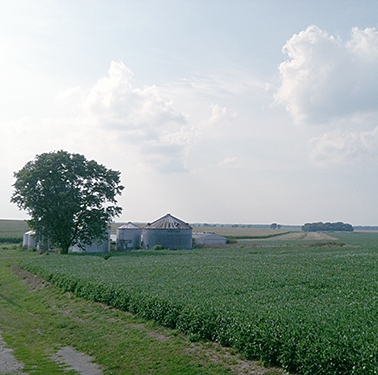
On behalf of a private U.S. agricultural technology provider, WPI’s team generated an econometric model to forecast the movement of concentrated corn production north and west from the traditional U.S. Corn Belt. WPI’s model has subsequently provided quantitative support to a multi-million-dollar investment into short-season corn variety development. WPI’s methodology included a series of interviews with regional grain elevators and seed consultants. Emphasizing outreach and communication with stakeholders who possess intimate sectoral knowledge – on-the-ground insights – is a regular component of WPI’s methodologies, made possible by WPI’s ever-growing network of industry contacts.