


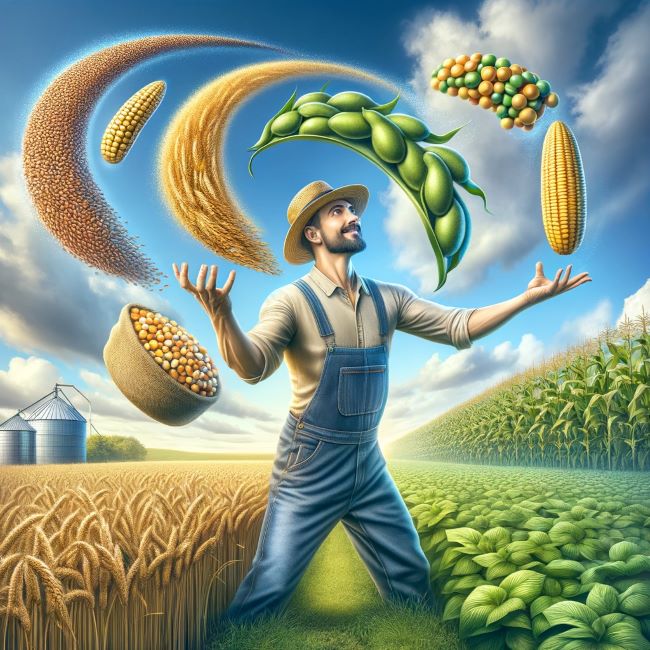
WPI’s initial acreage forecasts for the 2026 U.S. crop year show producers executing a mild expansion of soybean acres at the expense of corn while simultaneously reducing wheat area. Producers are also expected to keep minor crop acreage essentially unchanged, which will lead to a 0.4-percent reduction in the U.S. total crop acreage outlook. WPI’s forecasts come as many in the industry are turning their attention toward the 2026 crop outlook while the winter crop planting effort is ongoing. While there is still a long time to go until the spring crop acreage is decided, the fall market conditions can be very influential on the overall acreage mix. Certainly, for many states there is a tradeoff between expanding winter cro...


 What You Need to Know Today: Traders are increasingly focused on next Wednesday’s August WASDE report, with corn and soybean yield estimates expected to drive the next major move in grain markets. Recent crop condition declines and late-July heat have increased uncertainty around USDA&rs...
 Yesterday the Senate Agriculture Committee held its markup of the “skinny” farm bill, and it was derailed over Democratic opposition to plans for imposing food stamp costs on state governments. The Democrats pushed back on a provision that required states to pick up a larger share o...
 Key Takeaways: WPI’s 2025/26 corn export models continue to reflect strong international demand and put the total marketing year volume slightly above USDA’s estimates. Strong old crop corn exports are offset by weaker feed and residual use, leaving ending stocks slightly ele...

From WPI Consulting
Illuminating the value of technical research
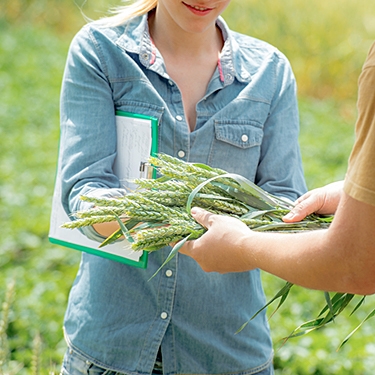
On behalf of a commodity producer organization, WPI evaluated the outputs from a project that featured a $5 million investment into technical research over multiple years. WPI’s team captured the results of this extensive effort and synthesized them for presentation to the organization’s governing board; among the findings uncovered and presented for the first time was the development of genomic traits proven, via rigorous testing, to provide crop yield advantages of 50 percent or more to U.S. farmers in times of drought. Capturing measurable results from long-term efforts can be challenging. Educating clients on the dynamics of success measurement when quantifiable results are not readily available requires deep client-consultant collaboration and an ability to consider both near- and long-term client aspirations with market/policy dynamics – attributes that WPI brings to every consulting engagement.