The U.S. has imposed tariffs widely against a host of trading partners, and those partners have retaliated with duties of their own. AgWeb's March monthly survey showed that 92 percent of economists now agree the U.S. is currently in a trade war. It’s not clear where the other 8 percent think we are, but at least one economist said that this time around, “This one is far bigger and far more consequential than the last one we were in.” “It seems more like a trade cold war,” another economist responded. “The situation is ever-changing, and it is hard for buyers, markets, and producers to anticipate reality and effect. The threat of tariffs is almost as effective as a tariff.” The reality for agricultu...



 What You Need to Know Today: Wholesale inflation was flat in July, with the Producer Price Index (PPI) unchanged versus expectations for a 0.2 percent increase. Core PPI rose 0.2 percent, also below expectations. The softer inflation data has reduced the odds of a September interest rate incre...

 Key Takeaways: The U.S. sheep industry is contracting. Lamb output and producer participation have declined sharply. Imports now account for most U.S. lamb consumption. Their roughly 70 percent share raises concerns about domestic capacity and resilience. USTR’s referral carries substant...
 Yesterday, the USDA released its monthly World Supply and Demand Estimates (WASDE), forecasting tighter beef and pork supplies and growing broiler supplies, resulting in a tighter red meat supply. Broiler production, however, continues to grow and is forecast to be up more than 3 percent. Beef...

From WPI Consulting
Infrastructure investment due diligence
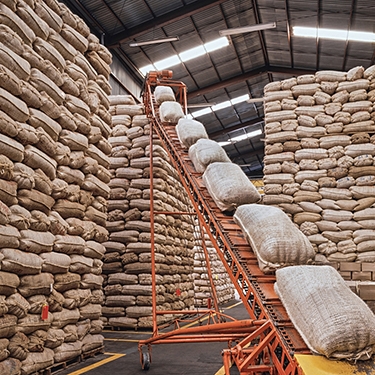
On behalf of a Canadian oilseed processer WPI's team provided market analysis, econometric modeling and financial due diligence in support of a $24 million-dollar investment in a Ukrainian crush plant. Consistent with WPI's findings, local production to supply the plant and the facility's output have expanded exponentially since the investment. WPI has conducted parallel work on behalf of U.S., South American and European clients, both private and public, in the agri-food space.